Song Meaning
The lyrics paint a picture of someone consumed by thoughts of another person, to the point of sleeplessness and constant longing. The narrator is stuck in a loop, unable to forget "Du," who occupies their mind day and night. This obsessive focus creates a sense of unrest, where even minutes without the object of affection stretch into hours. The dominant emotion is a powerful, almost overwhelming, yearning.
The central tension lies in the narrator's inability to reconcile their deep love with the disorienting effect it has. They question if this intense feeling is "normal" and even ponder if "Du" is an "angel" or a "curse." This internal conflict highlights the destabilizing power of their affection, making it difficult to grasp or control. The desire to always be near "Du" is a constant refrain, yet the understanding of their own love seems to elude them, creating a paradoxical state of knowing and not knowing.
The most striking aspect of the writing is the relentless repetition of "Du, immer Du" (You, always you). This phrase acts as an anchor, emphasizing the singular focus of the narrator's thoughts. It's not just a passing crush; it's an all-encompassing presence. The contrast between the desire for closeness and the confusion about the love itself – "Und dass ich Dich liebe / Geht in meinen Kopf nicht rein" (And that I love you / Doesn't go into my head) – is particularly effective, showcasing a mind overwhelmed by emotion. The lyrics suggest a love so potent it disrupts rational thought and the normal perception of time.
Ultimately, these lyrics resonate because they capture the disorienting, all-consuming nature of deep infatuation or love. The simple, direct language, combined with the insistent repetition, mirrors the obsessive thoughts of the narrator. The effectiveness comes from how the writing makes the listener feel the narrator's sleepless nights and racing heart, creating an intimate portrait of emotional surrender. It's a raw depiction of being utterly captivated.
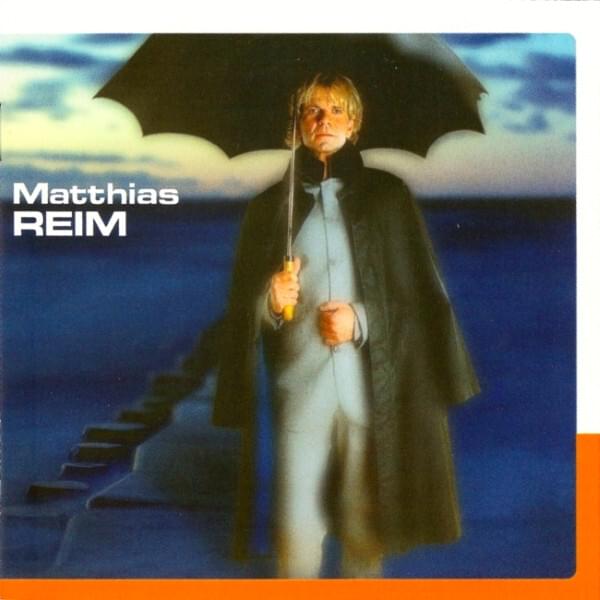
 View Artist