Song Meaning
{"song_id": 12463884, "meaning": "Matthew Sweet's \"Watch You Walking\" isn't a simple love song; it's a portrait of self-inflicted torment, painted with observations of a distant, perhaps unattainable figure. The repeated phrase \"I watch you walking on the other side\" establishes a chasm, a physical and emotional distance the narrator can't seem to bridge. This isn't mere longing; it's a study in the psychology of regret and the paralysis of inaction. The opening verses, with their descriptions of being \"safe in the night\" and \"pale in the light,\" suggest a duality, a hidden existence versus a vulnerable exposure. This hints at a secret desire, or perhaps a past transgression, that keeps the narrator trapped in the shadows.
The lyrics subtly weave in themes of time and change. The shift from summer to winter underscores a period of stagnation. \"October fled without a word,\" implying missed opportunities and the relentless march of time. The narrator's \"conscience has remained uncured,\" suggesting a deep-seated guilt or unresolved issue that festers with each passing season. This isn't just about unrequited affection; it's about a moral or ethical failing that continues to haunt. The detailed observation of the woman – \"quaint and reserved,\" \"slender and curved\" – feels almost voyeuristic, highlighting the narrator's position as an outsider, someone who observes but doesn't interact.
The most telling lines are those where the narrator admits, \"I turn my head away in shame\" and \"I rush my fingers through my hair, telling myself that it is not fair.\" These are not the actions of a confident suitor, but of someone wrestling with inner demons. The act of looking away suggests a deep discomfort, a recognition of his own inadequacy or perhaps a past mistake. The repeated gesture of running fingers through his hair is a sign of anxiety and self-doubt. The final assertion that \"it is not fair\" is a childish lament, a refusal to take responsibility for his own situation. The song meaning ultimately lies in the narrator's internal struggle. \"Watch You Walking\" becomes a haunting meditation on self-recrimination, regret, and the self-imposed barriers that prevent genuine connection."}
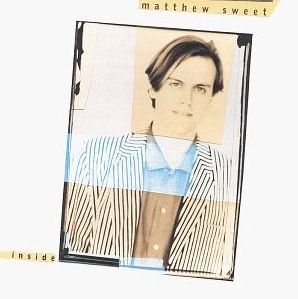
 View Artist