Song Meaning
Matthew Sweet's "Best of Me" isn't a boast; it's a raw, existential question mark hurled into the void. The song meaning spirals around a core anxiety: the fear that one's inherent capabilities, the very essence of what they offer the world, are fundamentally inadequate. Sweet isn't just exploring self-doubt, he's dissecting the possibility that his presence is, at its core, detrimental. The opening lines, "What if the best of me / Isn't good enough? / And any world that doesn't have me / Is better off without," cut deep because they bypass simple insecurity and tap into a vein of profound worthlessness. It's the kind of thought that festers in the quiet moments, amplified by past failures and future uncertainties. The raw honesty is almost unbearable.
The choruses act as refrains of doubt, each line a potential indictment. "What if my fear / Says all there is to say / About the rest of me?" suggests an overwhelming surrender to anxiety, where fear dictates identity. The subsequent chorus, turning to "truth" revealing itself as a "lie," hints at a deeper deception, perhaps a lifetime spent chasing false narratives of self-worth. The repeated refrain, "Where is the best of me?" becomes a desperate, almost panicked, plea. It's not a rhetorical question; it's a genuine search for a vanished, or perhaps never-existent, ideal.
Ultimately, “Best of Me” finds its power in its circularity. There's no resolution, no easy answer. The instrumental breaks offer no solace, only a temporary reprieve from the relentless questioning. The final verse introduces a particularly unsettling idea: that even the *idea* of one's best self might be a delusion, a product of a self-sabotaging imagination. “What if my own imagination / Has guaranteed my fall?” suggests that Sweet's biggest enemy isn't external, but internal. The song becomes an exploration of that internal battle, where the search for the 'best of me' may be a fool’s errand, a chase after a phantom that only leads further into the darkness of self-doubt.
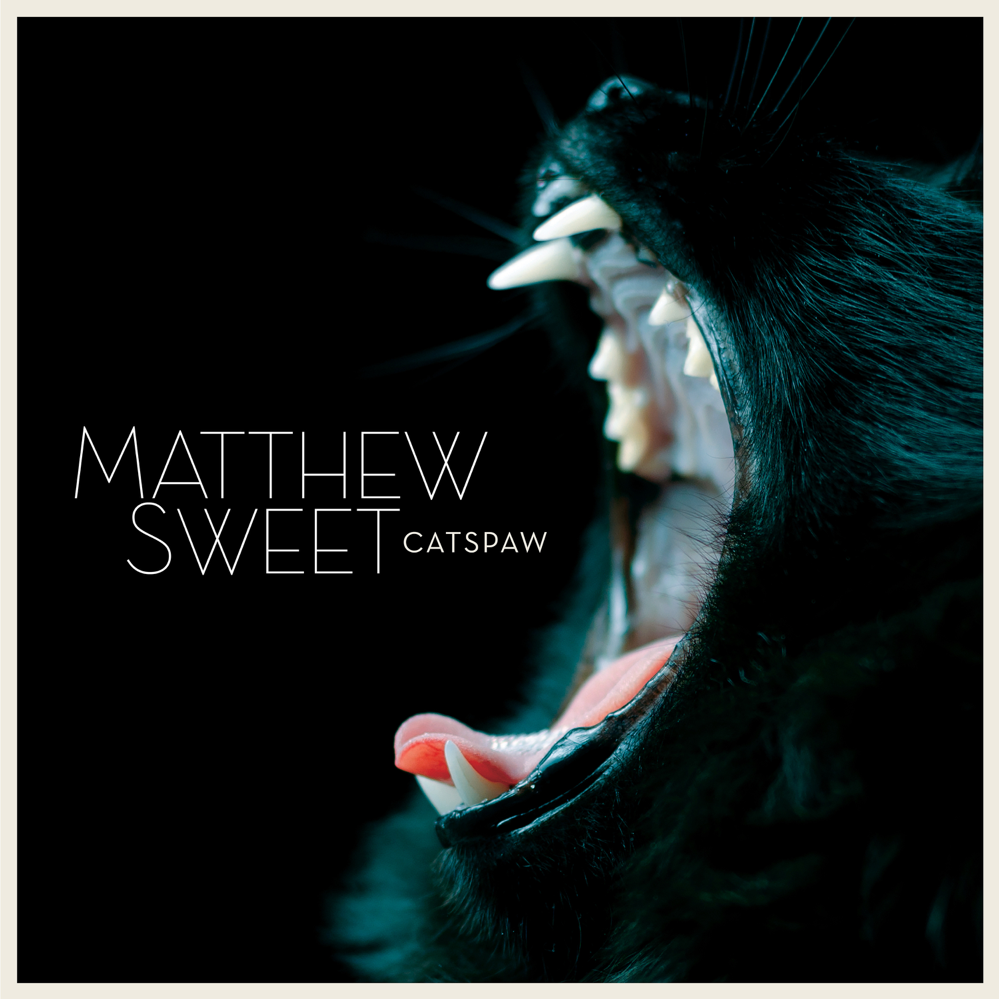
 View Artist