Song Meaning
The lyrics paint a stark picture of fading hope and lingering doubt, beginning with a yearning for lost warmth and peace. The opening questions, "Where's the summer? Where's the sun?" immediately set a tone of absence and longing, contrasting with the "violence" and "drums" that the narrator wishes to silence. This sets up a feeling of unease, even as the narrator recalls a specific moment of shared intention, "You said you would and so did I," on "Plum" street, a place that now feels distant.
The central tension lies in the narrator's struggle between despair and a fragile belief. Despite the bleak imagery of a "rainy street" and the "drawl of car wheels on autumn leaves," a flicker of optimism persists: "I'm full of doubt, still I believe." This internal conflict is amplified by the abstract concept of a "victory waltz" and a "never too soon" bloom, suggesting a profound, perhaps spiritual, triumph that can overcome darkness, even if its arrival is uncertain.
The repeated phrase "Gone, gone, gone" acts as a haunting refrain, underscoring the pervasive sense of loss and departure. This repetition emphasizes the finality of certain events, contrasting sharply with the narrator's persistent belief in a future bloom. The lyrics also grapple with the weight of past choices and transformations, questioning "Should we return what we became?" and acknowledging that "The loss in loss has never changed," suggesting a cyclical nature to suffering that even a "victory waltz" might struggle to break.
Ultimately, the effectiveness of these lyrics stems from their raw emotional honesty and evocative imagery. The contrast between the desire for peace and the presence of "violence," the fragile "belief" amidst "doubt," and the abstract hope of a "victory waltz" against the concrete reality of "gone" create a powerful emotional resonance. The lyrics suggest that even in the face of profound loss and the "ghost of living," the human spirit can still hold onto a desperate hope for a transformative moment of triumph.
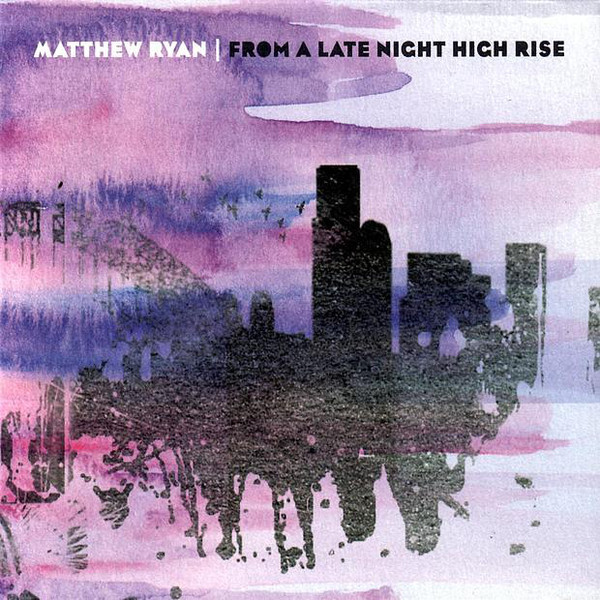
 View Artist