Song Meaning
The lyrics paint a stark picture of post-breakup existence, where the mundane is amplified and the absence of a lost love sharpens every sensation. The opening lines, "Coffee is sweeter / Days are sharper / Since I lost her," immediately establish a paradoxical effect of loss: a heightened sensory experience that paradoxically stems from absence. This isn't a gentle melancholy; it's an acute awareness of what's missing, making the world feel more vivid but also more painful.
The narrator finds himself in Venice, observing the "steeple / Stab the clouds," a dramatic image that mirrors his internal turmoil. The question, "Who's lonesome now?" directed outward, feels like a desperate, almost defiant challenge, as if seeking validation or perhaps projecting his own profound loneliness onto the indifferent cityscape. This moment of observation is quickly overtaken by the insistent, almost frantic repetition of "Never, never, never, never, never again," a phrase that could signify a vow against repeating past mistakes or a desperate plea to escape the current pain.
The contrast between the past and present is palpable. The memory of meeting, described as a time when "we were so innocent" and the "world was brand new," clashes with the current "Devastation." The narrator admits to missing his lost love "so much / But not enough to call," revealing a complex mix of lingering affection and a stubborn refusal to bridge the gap. He has, it seems, embraced loneliness, calling it "my mistress," a chilling personification that suggests a deep, almost intimate relationship with his solitude, even as he acknowledges its devastating nature.
The true power of these lyrics lies in their unflinching portrayal of self-imposed isolation and the strange comfort derived from it. The repeated "Never again" morphs into "Devastation junkie," a self-aware label that encapsulates the narrator's paradoxical state. He is addicted to the very devastation that loss has wrought, finding a perverse familiarity and even a perverse sweetness in the sharp edges of his grief. This isn't about moving on; it's about becoming intimately acquainted with the ruins.
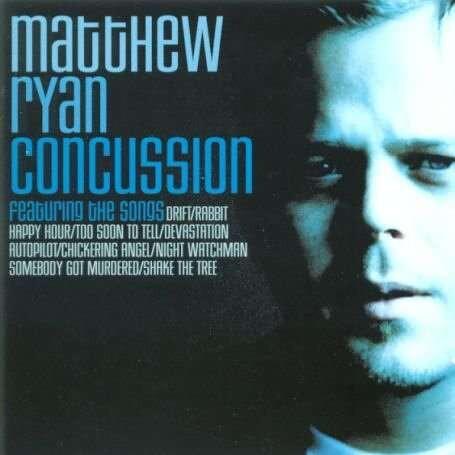
 View Artist