Song Meaning
The lyrics paint a picture of a conversation between two women, Franca and Clara, where Franca offers Clara advice about a new relationship. Initially, Franca congratulates Clara on her "new fellow," framing their situations as parallel to her own past romance with Giuseppe. Franca's sung words to Clara are laced with a heavy dose of irony, presenting an idealized, almost saccharine, vision of romantic bliss. Phrases like "How truly happy you must be" and "You're the envy of so many girls" set a tone that feels less like genuine admiration and more like a cautionary tale disguised as encouragement. The narrator, Franca, claims to "remember well" the "joy" Clara feels, hinting at a shared, perhaps painful, past experience.
The core tension emerges as Franca's seemingly sweet observations begin to curdle into stark warnings. The idyllic scene of an anniversary in the piazza abruptly shifts when the narrator warns that "his eyes will set / Upon a girl who's prettier and younger than you." This sharp turn reveals the underlying fear and insecurity driving Franca's advice. The subsequent lines about an "empty" bassinet and "bare" nursery, coupled with the ability to "spend his money," suggest a life path focused on material gain and the potential for eventual abandonment, a stark contrast to the romantic ideal presented earlier.
The most striking craft element is the direct address and the subversion of expectation. Franca begins by seemingly celebrating Clara's happiness, but the lyrics quickly pivot to a prophecy of heartbreak and disillusionment. The repetition of "He's the one you love" followed by a hesitant "Isn't he?" underscores the narrator's own doubts and projected anxieties onto Clara. The final, urgent "Beware" acts as a stark counterpoint to the initial "truly happy," revealing the true, somber message beneath the surface pleasantries. It’s a masterful use of dramatic irony, where the speaker's words carry a double meaning, intended to protect Clara from a fate the speaker herself may have experienced.
This lyrical construction is effective because it mirrors the complex, often painful, nature of shared experience and unsolicited advice between women. The shift from outward celebration to inward warning creates a palpable sense of dread and empathy. The narrator isn't just describing a potential future; she's projecting her own scars onto Clara's present joy. The effectiveness lies in how the seemingly simple, almost nursery-rhyme-like structure of the sung verses belies a deeply cynical and sorrowful message about love, aging, and the precariousness of happiness in relationships.
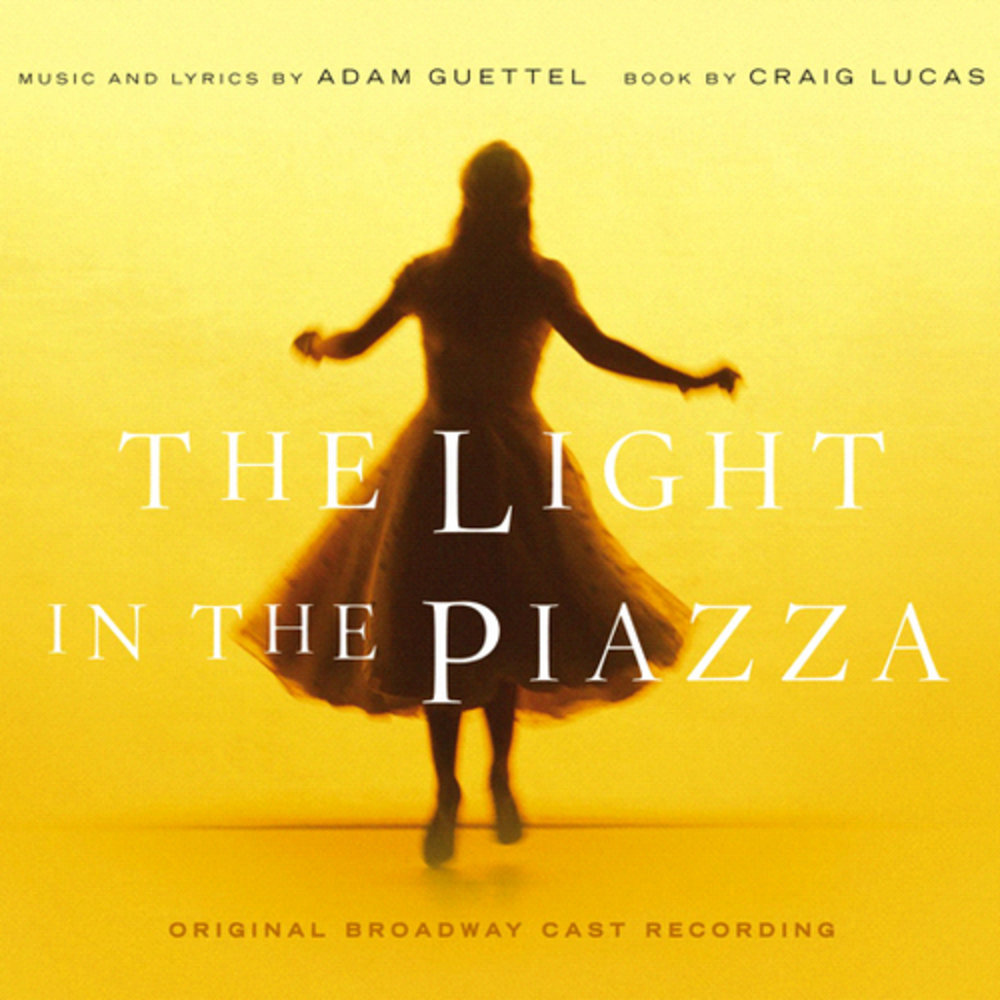
 View Artist