Song Meaning
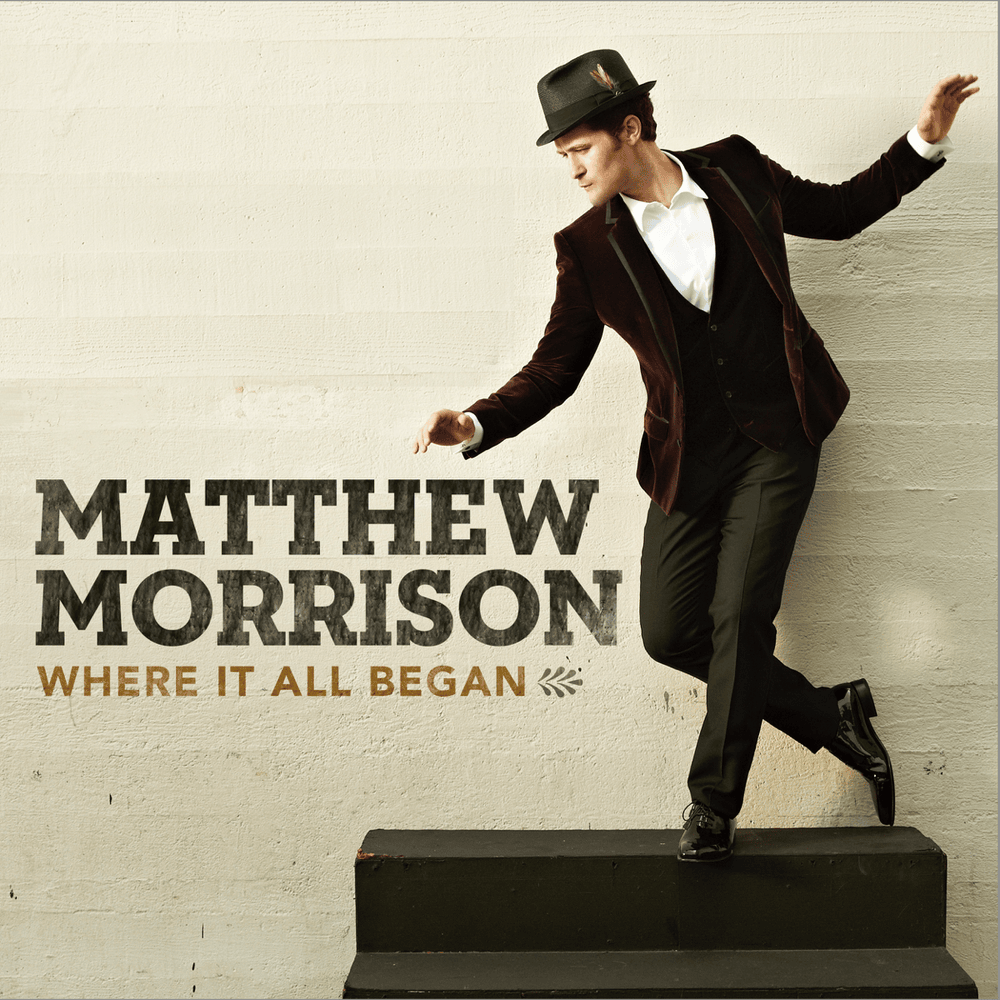
Matthew Morrison's rendition of "Send in the Clowns" lands with a particular sting, given the song's inherent themes of missed connections and ironic self-awareness. Originally made famous by Stephen Sondheim, the song’s power lies in its exploration of romantic miscalculations, a terrain Morrison navigates with a palpable sense of regret. The opening lines, "Isn't it rich, are we a pair?/ Me here at last on the ground/ You in mid-air," immediately establish a dynamic of imbalance and misalignment. It’s a scene of two people caught in the aftermath of a relationship that never quite materialized as hoped. The repeated plea to "Send in the clowns" is not a literal request for entertainment, but a desperate call for comic relief in the face of profound disappointment. Clowns, in this context, represent a distraction from the painful reality of lost love and the absurdity of the situation.
The song's middle verses reveal a crucial turning point. The singer reflects on a moment of clarity, realizing that the person they desired was already committed to someone else. "Just when I stopped opening doors/ Finally knowing the one that I wanted was yours." This realization arrives with a sense of dramatic irony, as the singer acknowledges their belated understanding. The subsequent lines, "Making my entrance again with my usual flair/ Sure of my lines no one is there," highlight the singer's performative approach to love, suggesting a history of superficial engagements and a failure to genuinely connect with others. It is as if the singer is acting in a play, only to find that the audience has left, and the stage is empty.
The latter part of "Send in the Clowns" deepens the sense of self-reproach. The singer acknowledges the cliché of unrequited love and the painful realization that their feelings are now reciprocated, but only after the opportunity for a relationship has passed. "I've come to feel about you what you felt about me/ Why only now when I see that you've drifted away." This revelation is a cruel twist of fate, highlighting the tragic timing that defines the song's narrative. The final lines, "Isn't it rich, isn't it queer?/ Losing my timing this late in my career," suggest a broader sense of failure and a recognition that the singer's life has been marked by missed opportunities. The concluding reflection on where the clowns should be encapsulates the song's poignant blend of humor and heartbreak, leaving the listener with a lingering sense of melancholy.
 View Artist