Song Meaning
Matthew Good's "Fingernails" is a portrait of desperation, etched in the stark imagery of someone clinging to the edge. The recurring line, "You're hanging on by your fingernails," isn't just a metaphor; it's the blunt force trauma of the song's emotional core. This isn't a gentle lament; it's a raw, almost accusatory observation of someone at their breaking point. The lyrics paint a picture of a fraying psyche, someone caught in a cycle of self-deception and denial, symbolized by the "mirror I play that never gets it right." The mention of nighttime solicitation hints at a search for solace, however fleeting or misguided. The frozen skyline and icy rail suggest a world that offers no comfort, only precarious footing. The repeated phrase "Maybe it's too late" is not just about missed opportunities, but of a loss of hope and the potential for redemption. The phrase "saying means believing" suggests a false optimism, a hollow mantra repeated to mask a deeper despair.
The second verse introduces a collective element: "we were hanging on by our fingernails." This widens the scope of the song, suggesting that the struggle isn't isolated but shared. The sporting reference, "Dixon long to Smith to Thomas in on goal," is a sudden juxtaposition, perhaps illustrating a fleeting moment of triumph or camaraderie amidst the overarching struggle. The line "The truth of knowing any part of it could fail" brings a moment of clarity, a recognition of the fragility of existence. The raw, emotional intensity of "Fingernails" lies in its unflinching portrayal of vulnerability and the desperate measures taken to maintain a grip on reality.
Ultimately, the song’s meaning resides in that tension between holding on and letting go. The lyrics create a sense of claustrophobia, not just for the individual, but potentially for a generation grappling with disillusionment. Matthew Good doesn't offer easy answers or comforting platitudes. Instead, "Fingernails" leaves us suspended in the uncertainty, forcing us to confront the precariousness of our own existence.
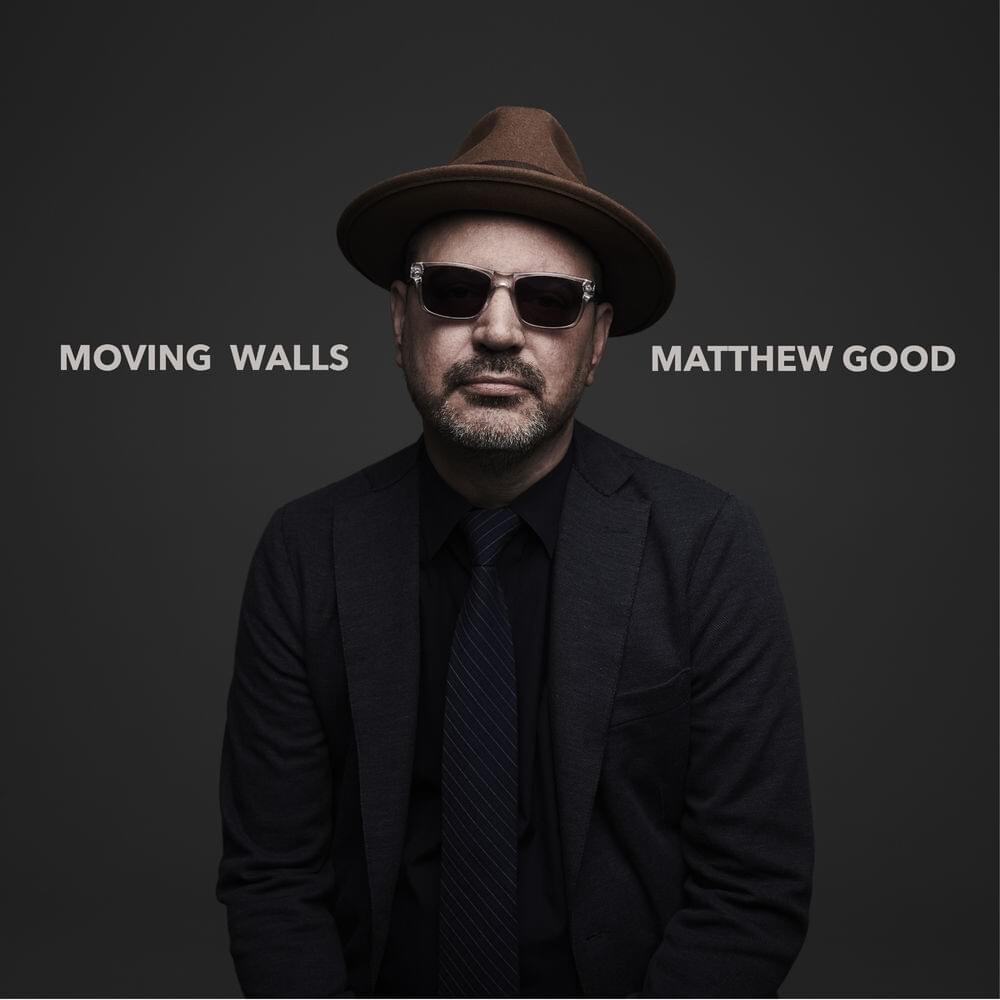
 View Artist