Song Meaning
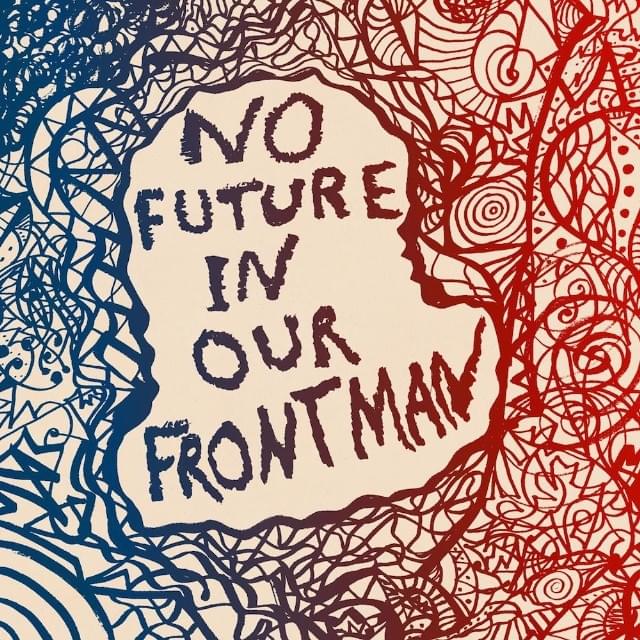
Matthew E. White's "No Future in Our Frontman" isn't just a takedown; it's a slow-motion deconstruction of faith, leadership, and the corrosive disappointment that follows disillusionment. The repetition is key here. The repeated line, "There is no future in our frontman," becomes a damning indictment, stripping away any illusion of hope or redemption. It's not a single, impulsive rejection, but a deliberate, almost ritualistic disavowal. The phrase "I refuse to sing along" isn’t just about a bad song. It's about refusing to participate in a narrative that no longer resonates, a conscious withdrawal from collective delusion. The singer is not merely critiquing the frontman’s lack of talent; he's rejecting the entire framework the frontman represents. It’s a psychological uncoupling, a severing of ties to a figurehead who has failed to deliver.
The lyrics subtly weave in religious imagery. The reference to "Star of the morning, fallen from heaven" conjures Lucifer, the fallen angel, suggesting a catastrophic loss of grace and authority. The frontman, once a beacon of hope, is now a symbol of broken promises. The mention of "Babylon" reinforces this sense of societal and spiritual decay. The line "There is no harmony in his Babylon" suggests a world built on discord and falsehood. It’s not just about a band losing its way; it’s about a fundamental breakdown of order and meaning. This imagery elevates the song beyond a simple critique of a performer, casting it as an allegory for the loss of faith in broader institutions and ideologies.
Ultimately, “No Future in Our Frontman” captures the raw, unsettling feeling of waking up to a lie. The refusal to sing along is an act of self-preservation, a desperate attempt to reclaim one's voice in the face of pervasive disappointment. It's a stark acknowledgement that sometimes, the most courageous act is to simply walk away. The song's power lies in its relentless honesty, its refusal to sugarcoat the bitter taste of disillusionment. It's a song for those who have seen behind the curtain and chosen to forge their own path, even if that path leads away from the crowd.
 View Artist