Song Meaning
Matthew E. White's "Circle 'Round the Sun" isn't just gospel; it's a raw, existential plea for grace in the face of earthly struggles. The opening lines immediately establish a sense of displacement: "I know that this world's not my home / It's never been." This isn't mere religious piety; it's a profound alienation, a feeling of being fundamentally out of sync with the material world. The acknowledgement of walking "the hard road" and trying to care for his children anchors this spiritual longing in the tangible realities of responsibility and hardship. The turn to faith – "Lord, we have no friend like you" – isn't a platitude but a recognition of the limitations of human connection in the face of overwhelming challenges. The question that follows, "If heaven's not my home then what shall I do?" is the song's desperate core.
The repeated invocation of Jesus and the image of being encircled "like the circle 'round the sun" speaks to a desire for all-encompassing protection and understanding. This isn't just about personal salvation; it's about seeking solace for those affected by his journey, hoping they "understand what I have done." There's a hint of past actions, perhaps regrets or sacrifices made along the hard road, that require divine and communal understanding. The imagery of "screaming and a-crying...seeking shelter from the storm" evokes a primal vulnerability, a stripping away of defenses to expose the raw need for comfort and safety. The repeated refrain of "Hand in hand / But do you know where we're going?" captures the paradox of faith: a willingness to surrender control while simultaneously grappling with uncertainty.
The song culminates in a surprisingly peaceful acceptance of death. The lines "It does not frighten me at all / To go behind the storm / And behind the night" suggest a hard-won tranquility. The fear of the unknown is replaced by the solace of knowing that comfort awaits on the other side. The final image of "sleeping in your arms / There'll be peace tonight" is a powerful expression of faith as a refuge, a place where earthly anxieties dissolve into divine embrace. Matthew E. White masterfully uses religious language not as dogma, but as a vehicle for expressing universal human experiences of alienation, struggle, and the search for meaning in a world that often feels indifferent.
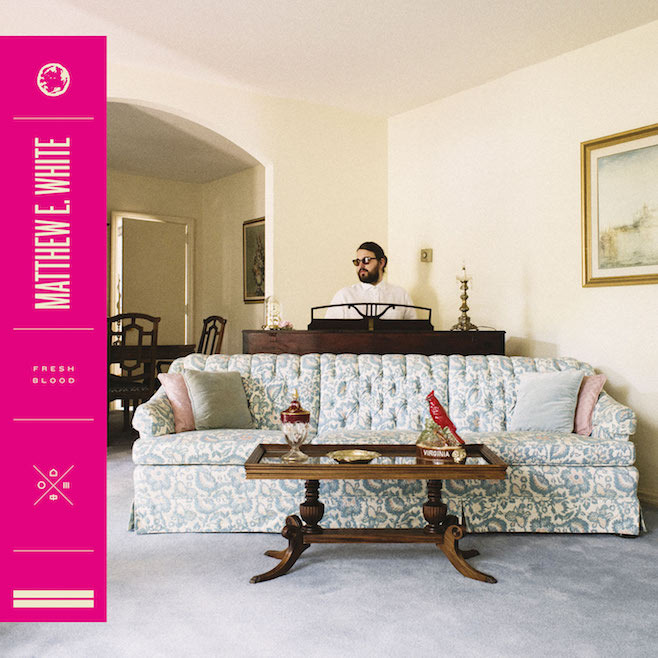
 View Artist