Song Meaning
The lyrics paint a disorienting picture of a mind stuck in a loop, fixated on replication and a strange, almost physical sensation of bitterness. The repeated phrase "cold copy" suggests a desire to mimic or reproduce something, but it feels hollow and lifeless, like a carbon copy. This fixation is contrasted with a visceral, unpleasant sensory experience, where "lip bones that taste like coffee" and "unbearable soil to seed" create a jarring, almost nauseating effect. It’s as if the narrator is trying to process something deeply unpleasant through a lens of imitation, but the raw feeling keeps breaking through.
The central tension seems to lie in the struggle between this compulsive copying and a desire for release or transformation. The narrator wants to "cast off the copy cold copy," likening it to shedding an old skin or a broken-down machine. There’s a yearning for a new beginning, a sense of being "an engine to be," implying a desire for forward motion and purpose. This is further emphasized by the anticipation of a "cold morning," which could represent a fresh start or a harsh awakening.
The most striking element is the surreal, almost synesthetic imagery used to convey emotional states. The "lip bones that taste like coffee" is a particularly bizarre and effective image, blending the physical and the gustatory to articulate a deep-seated unpleasantness. Similarly, "unbearable soil to seed" evokes a sense of being trapped in a state of potential that is painful and unproductive, a fertile ground that yields only suffering. The narrator seems to be grappling with a profound internal discomfort that defies easy categorization.
Ultimately, these lyrics resonate because they capture a feeling of being trapped in a cycle of self-replication and internal discomfort, using abstract and visceral language to make the intangible palpable. The desire to "cast off" the old self and embrace a new, albeit potentially harsh, beginning feels like a raw expression of wanting to break free from a suffocating internal state. The specific, unusual sensory details make the narrator's struggle feel uniquely, uncomfortably real.
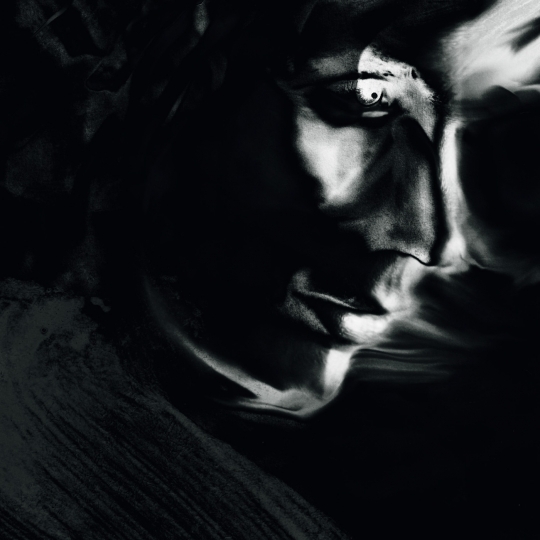
 View Artist