Song Meaning
The lyrics open with a stark, repetitive refusal: "I don't, I don't, I don't, I don't, I don't / Want, want, want, want, want / A new, a new, a new, a new, a new / Life, life, life, life, life." This insistent denial sets a tone of deep-seated resistance to change, almost a desperate clinging to the present state, whatever its nature. The repetition hammers home the speaker's conviction, or perhaps their struggle, against the idea of a fresh start. It feels less like a choice and more like an ingrained reaction.
The central tension seems to revolve around a conflict between stagnation and a call to action, or perhaps a surrender to a different kind of existence. Phrases like "Trust in where you sleep at" and "Confide your sleep" suggest a comfort or security found in inertia, a state of being that is perhaps passive or even unconscious. This is juxtaposed with urgent commands like "Take back what you need" and "Lean into, get it done," creating a push-and-pull between staying put and moving forward. The idea that "everything was in the past it doesn't last" further complicates this, implying that clinging to the past is futile, yet the desire for a "new life" is rejected.
The most striking element is the surreal imagery that hints at a deeper, almost dreamlike state. The idea that "your hair grows down to your knees" is a potent, bizarre visual that suggests a loss of control or a transformation happening outside of conscious will, perhaps a consequence of prolonged stillness. This is paired with the invitation to "follow me into the sand," a potentially alluring but also ambiguous direction, hinting at dissolution or a primal escape. The lyrics suggest that finding peace or greatness might involve letting go of the need for control, even if it means embracing the strange and the unknown, or simply accepting a state of rest.
Ultimately, the effectiveness of these lyrics lies in their ability to evoke a powerful emotional state through fragmented, evocative language and insistent repetition. The refusal of a "new life" coupled with the strange, dreamlike imagery creates a compelling portrait of someone caught between the desire for stability and the unsettling reality of time passing. The call to "let go of your sleep" and embrace the present, however peculiar, offers a path out of this internal conflict, suggesting that true peace might be found not in change, but in acceptance and a surrender to the moment, even if that moment is surreal.
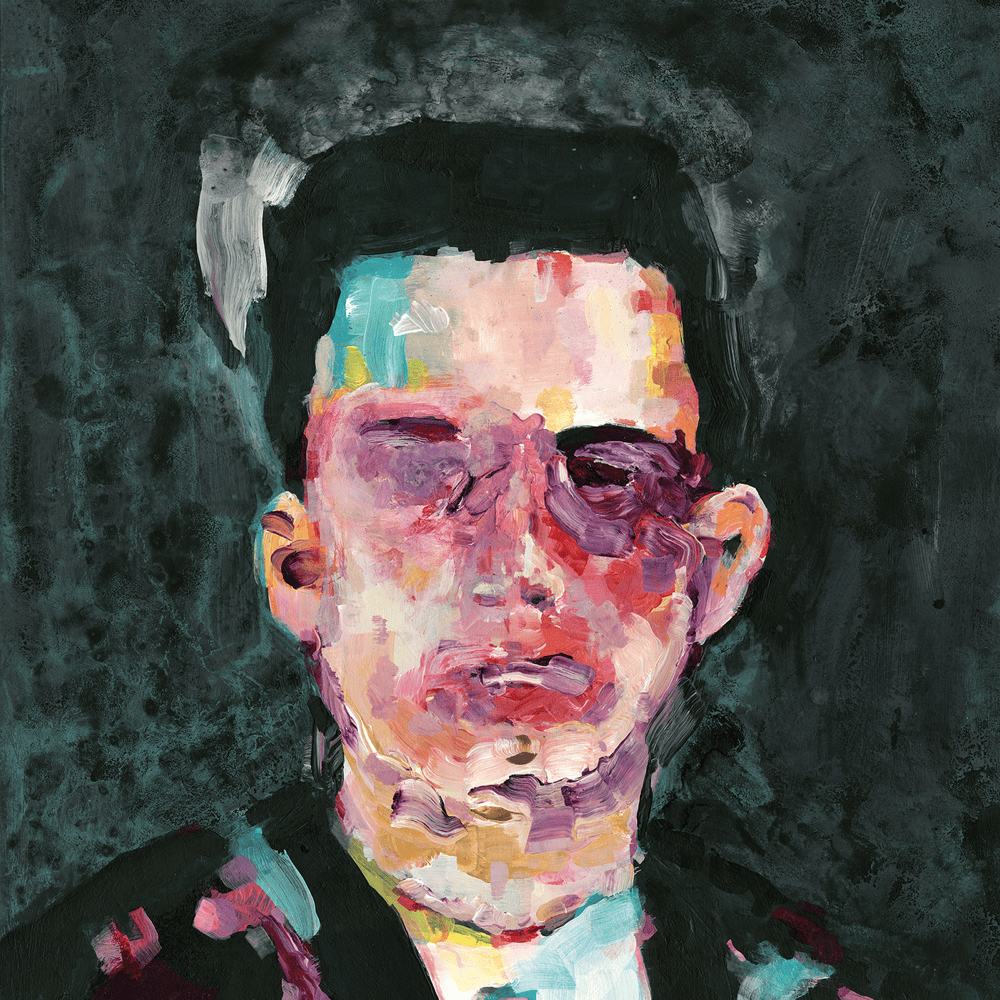
 View Artist