Song Meaning
The lyrics paint a picture of existential uncertainty, where the narrator feels adrift in a world of infinite possibilities and potential outcomes. They could be instantly sold or saved, live a lifetime or die in a day, fading forever or stuck in a groove. This overwhelming sense of potential, coupled with a lack of agency, sets a tone of profound disorientation. The narrator grapples with the idea that their existence is defined by these extreme, often contradictory, potentials.
This feeling of being unmoored is amplified by the narrator's perceived role in a larger, indifferent system. They are a "lonely apprentice" to an "absentee boss," bearing responsibility for losses they didn't create. This suggests a feeling of being trapped in a cycle of consequence without true control or understanding of the overarching purpose. The recurring phrase "another revolution of the sun" underscores this sense of relentless, perhaps meaningless, repetition.
The central tension arises from the contrast between the narrator's personal feelings of powerlessness and the grand, cyclical nature of existence. Nature is depicted as a "motherless child," wild and untamed, implying a lack of inherent guidance or nurturing. This wildness is mirrored in the "living illusions" and the "brother who knows what we've done," hinting at a shared, perhaps hidden, complicity in the human condition. The "family reunion" for "daughters and sons / Of the new millennium" suggests a collective inheritance of this uncertain state.
The effectiveness of these lyrics lies in their stark, almost bleak, portrayal of individual insignificance against a backdrop of cosmic indifference. The simple, declarative sentences of the opening verses create a sense of inevitability, while the imagery of an "absentee boss" and being "on the hook for the loss" resonates with a modern sense of alienation. The repetition of "another revolution of the sun" acts as a powerful, grounding refrain that emphasizes the cyclical, yet potentially unfulfilling, passage of time.
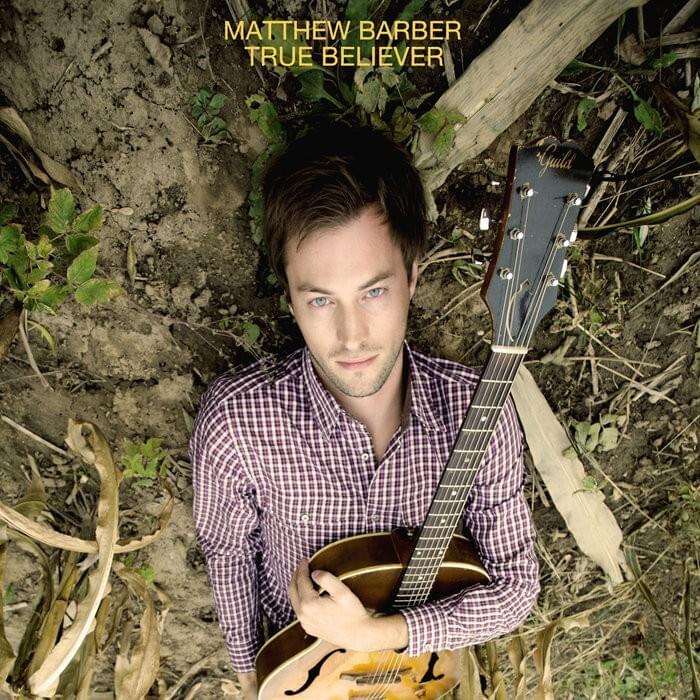
 View Artist