Song Meaning
The lyrics paint a disquieting picture of an approaching summer, not as a season of joy, but as a harbinger of overwhelming change and potential danger. The initial lines, "The summer is coming / We all should stand clear," immediately establish a tone of unease, suggesting a force that demands caution. This isn't the gentle warmth of a typical summer; it's an intense, almost threatening presence, hinted at by "heat and high water" and sounds heard before they are seen. The imagery of "small lit circles" from a porch light, illuminating nothing, amplifies this sense of obscured threat, where visibility is limited and the true danger remains unseen.
The core tension seems to revolve around a forced acceptance of a new reality, possibly a relationship's end or a significant life shift. The line "But you'll wake up in water" suggests a sudden, disorienting immersion into this new state, a point of no return. The narrator grapples with "blind assumptions" and the fading possibility of something more, contrasting with the stark declaration, "All we are is friends." This refrain, repeated with increasing finality and a touch of resignation ("Good luck, yeah all we are is friends / I'll be happy right here to say that you win"), underscores a painful acknowledgment of limitations and a surrender to the situation.
The craft here is in the subtle subversion of typical summer imagery and the stark, almost brutal honesty of the relationship's definition. The shift from the obscured threats of the opening to the blunt declaration of friendship in the second half is jarring. The final stanza, with "the handle is hers" and "no more kind words / For the seasoned swimmers, old beginners," suggests a definitive power shift and an end to gentle negotiation or shared experience. The closing "No, this is not something" serves as a final, definitive rejection of any lingering hope or romantic possibility, solidifying the bleak outlook.
What makes these lyrics hit so hard is their refusal to offer comfort or easy answers. They capture that specific dread when a season of expected happiness feels instead like an unavoidable, overwhelming tide. The power lies in the understated dread, the quiet pronouncements of loss, and the stark, unadorned definition of a relationship's end, leaving the listener with a lingering sense of unease and the feeling of being caught in something inevitable.
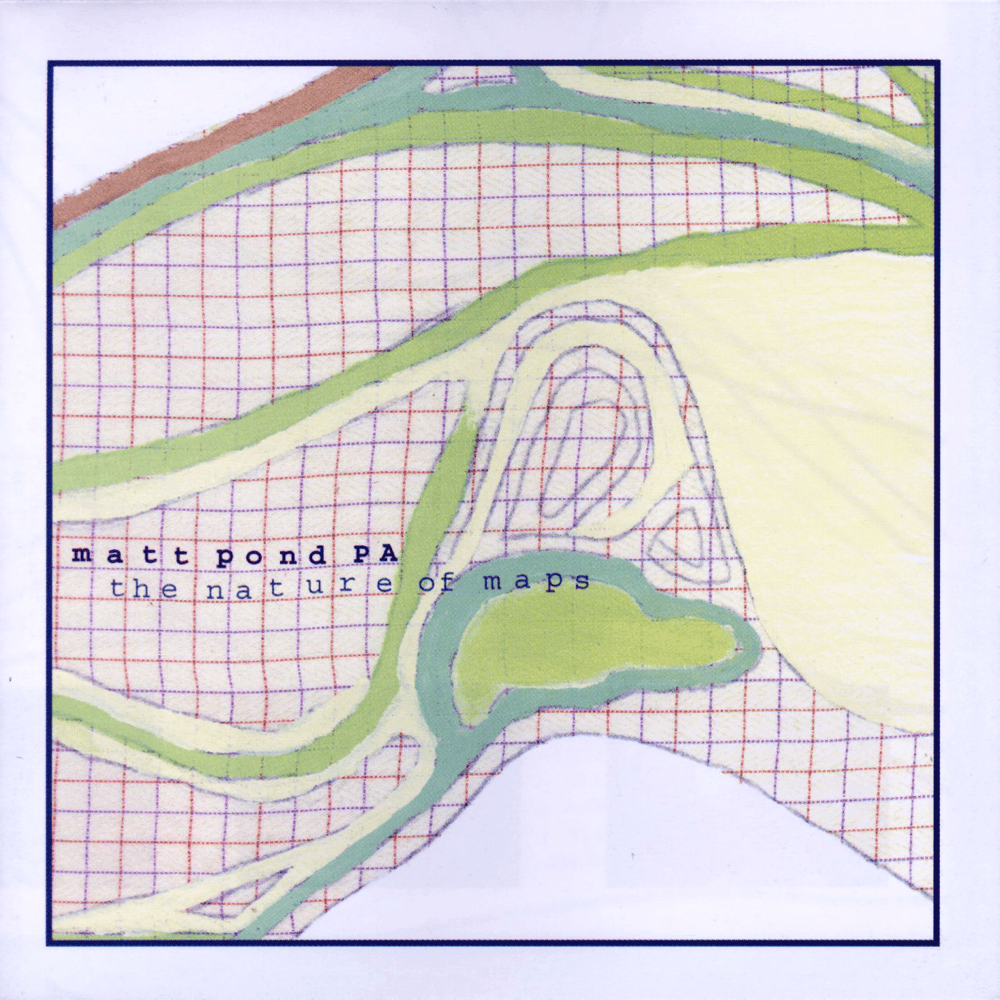
 View Artist