Song Meaning
The lyrics paint a stark picture of regret and self-recrimination following a lost love. The narrator grapples with a dream of their partner's death, a visceral manifestation of their fear of permanent separation. This intense imagery is immediately juxtaposed with a desperate plea to "be with you tonight," highlighting the core tension: a longing for connection that feels irrevocably broken. The recurring phrase "I let you get away" acts as a heavy, self-inflicted indictment, underscoring the narrator's perceived failure.
The central conflict seems to stem from the narrator's inability to understand or properly value their partner, seeing them "in black and white" and viewing love as a "prison." This suggests a profound misunderstanding of the relationship's dynamics, leading to its demise. The mention of "5 A.M." and the partner being "not alone" hints at a late-night realization of loss and the partner's potential new reality, further emphasizing the narrator's isolation and the finality of their actions. The narrator's "faithless heart wasted us," a direct admission of their role in the relationship's failure.
The bridge offers a striking self-assessment, likening the narrator to "the end of a Hitchcock movie," suggesting a narrative that is "dark and a lot confusing." This metaphor captures the narrator's own sense of being trapped in a dramatic, perhaps tragic, personal story. They declare themselves "the last of the worst pretenders," a powerful admission of inauthenticity and failure in their romantic pursuits. The repetition of being "so lost, so lost in love" drives home the overwhelming sense of disorientation and despair that now defines their existence.
Ultimately, the effectiveness of these lyrics lies in their raw, unflinching honesty about personal failing. The narrator doesn't shy away from their role in the breakup, using vivid imagery like the dream of death and the Alcatraz waters to convey the depth of their regret. The contrast between the desperate desire to reconnect and the acknowledgment of their own destructive tendencies creates a compelling, albeit bleak, emotional landscape that resonates with the pain of irreversible loss.
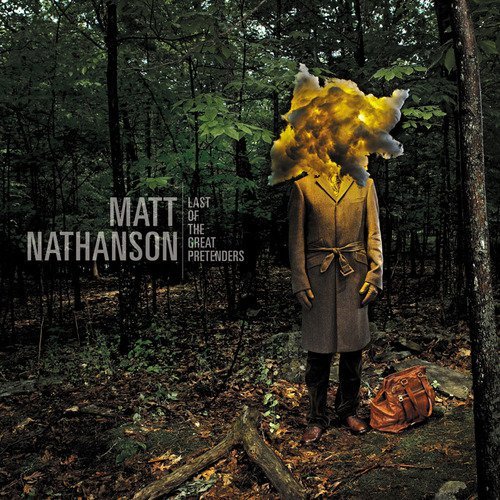
 View Artist