Song Meaning
The lyrics paint a stark picture of solitude, beginning with the fading moon and a desperate plea for dawn. The stillness of the night amplifies the narrator's isolation, a feeling underscored by the repeated phrase "Oh so alone." This isn't just a passing mood; it's a profound emptiness tied directly to the absence of a specific person.
The central tension hinges on this profound loneliness, directly linked to the departure of a loved one. The imagery of dawn, usually a symbol of hope, is twisted here. The "silver light" offers no comfort, and the absence of birdsong, which typically heralds a new day, mirrors the narrator's own desolation. The natural world seems to reflect and even participate in this loss.
The most striking element is the parallel drawn between the departed lover, the setting moon, and the absent birds. These aren't just random occurrences; they are presented as elements that have "gone with my love." This elevates the loss from a personal feeling to a cosmic event, where even the natural cycles seem disrupted by the absence. The repetition of "Gone with my love / Gone like the moon" hammers home this connection, making the personal loss feel immense and all-encompassing.
This lyrical construction is effective because it grounds an abstract feeling of heartbreak in concrete, observable phenomena. The quiet, still night and the disappearing celestial body become tangible representations of the narrator's inner state. The simple, direct language and the insistent repetition create a powerful sense of desolation that resonates deeply, making the listener feel the weight of being "all alone."
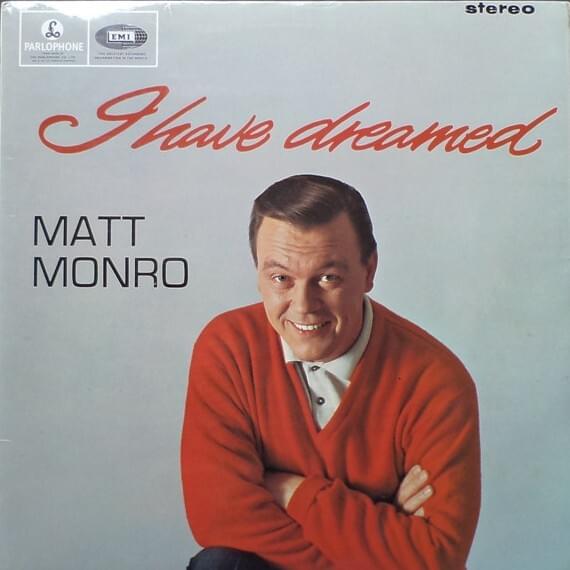
 View Artist