Song Meaning
The lyrics paint a picture of a significant, perhaps momentous, occasion unfolding. The opening verses establish a series of observations: girls by a door, old friends conversing, painters at work, a father with his mother, tall buildings, and writers making them seem small. These scenes feel like snapshots of life continuing, yet tinged with anticipation. The repeated phrase "See the..." creates a sense of detached witnessing, as if the narrator is watching a grand tableau.
The central tension lies in the chorus's declaration: "He's seen it all / But he aint seen this before." This suggests an event so unprecedented that even someone with vast experience is taken aback. The narrator’s uncertainty, "And I might of heard it wrong," adds a layer of doubt, making the pronouncement of "the day has come" feel both hopeful and fragile. The shift in the second chorus to "They've seen it all" broadens this sense of collective astonishment.
The bridge introduces a more mystical, natural imagery with "the river runs" and "the misty Sun." This section offers a moment of potential peace, where "cool lovers lie" and the narrator can "swear, it might all just be alright." It contrasts the observed, perhaps man-made, scenes with a timeless, elemental flow, hinting that this "day" might be a natural culmination or a profound shift in perception rather than a singular event.
Ultimately, the lyrics resonate because they capture that feeling of witnessing something monumental while grappling with its reality. The juxtaposition of ordinary life continuing alongside this extraordinary pronouncement, coupled with the narrator's hesitant conviction, creates a powerful sense of awe and hopeful uncertainty. The repetition of the chorus, especially in the outro, hammers home the idea that this is a moment that defies prior experience, leaving the observer to question if they've truly grasped its significance.
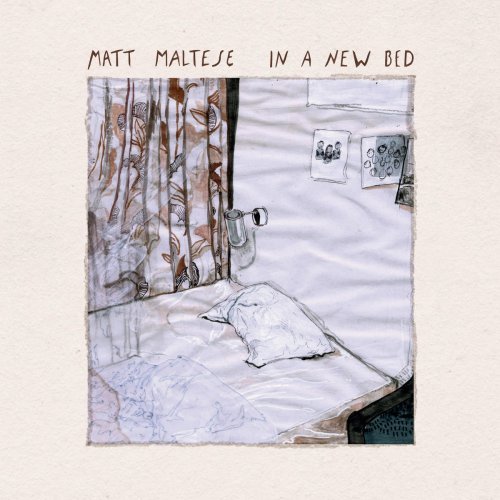
 View Artist