Song Meaning
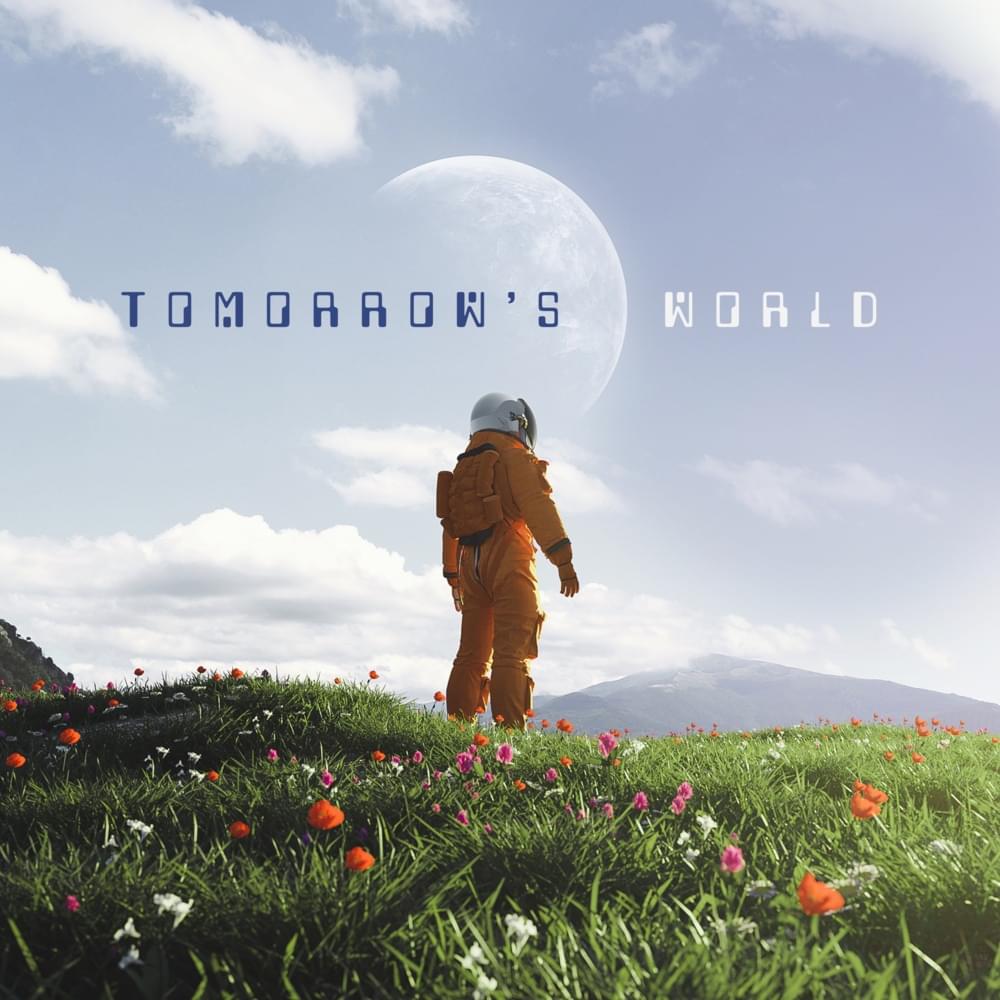
Matt Bellamy's "Tomorrow's World" isn't a bombastic stadium anthem, which might surprise longtime Muse fans. Instead, it's a distilled, almost painfully direct plea for hope and agency. The song's lyrical simplicity is its strength; Bellamy strips away the layers of dystopian anxiety that often shroud his work, offering something akin to a secular hymn. The core message revolves around recognizing and utilizing inherent human potential: clear vision, healing hands, appreciation for beauty, physical strength, intellectual capacity, and above all, the capacity for love. These aren't presented as extraordinary gifts, but rather as baseline human attributes, accessible to everyone. The repetition of "Don't you waste it" underscores the urgency of this message.
The song meaning resides less in complex metaphors and more in its emotional directness. It taps into a universal desire for a better future, framing that future not as a passive event but as something actively created through individual choices. The lyrics analysis reveals a focus on the present moment as the seed of tomorrow's world. It's a call to action, albeit a gentle one, urging listeners to recognize their own potential for positive change. The phrase "the end of our sorrows" is presented as a tangible possibility, contingent on not squandering the inherent gifts we possess.
Ultimately, "Tomorrow's World" functions as a miniature psychological intervention. It's a reminder to avoid succumbing to apathy or despair, instead focusing on cultivating positive attributes and actions in the present. Bellamy avoids grand pronouncements, opting instead for a quiet, insistent encouragement. In a world saturated with noise and anxiety, the song's stripped-down message of individual empowerment offers a potent, if understated, form of solace.
 View Artist