Song Meaning
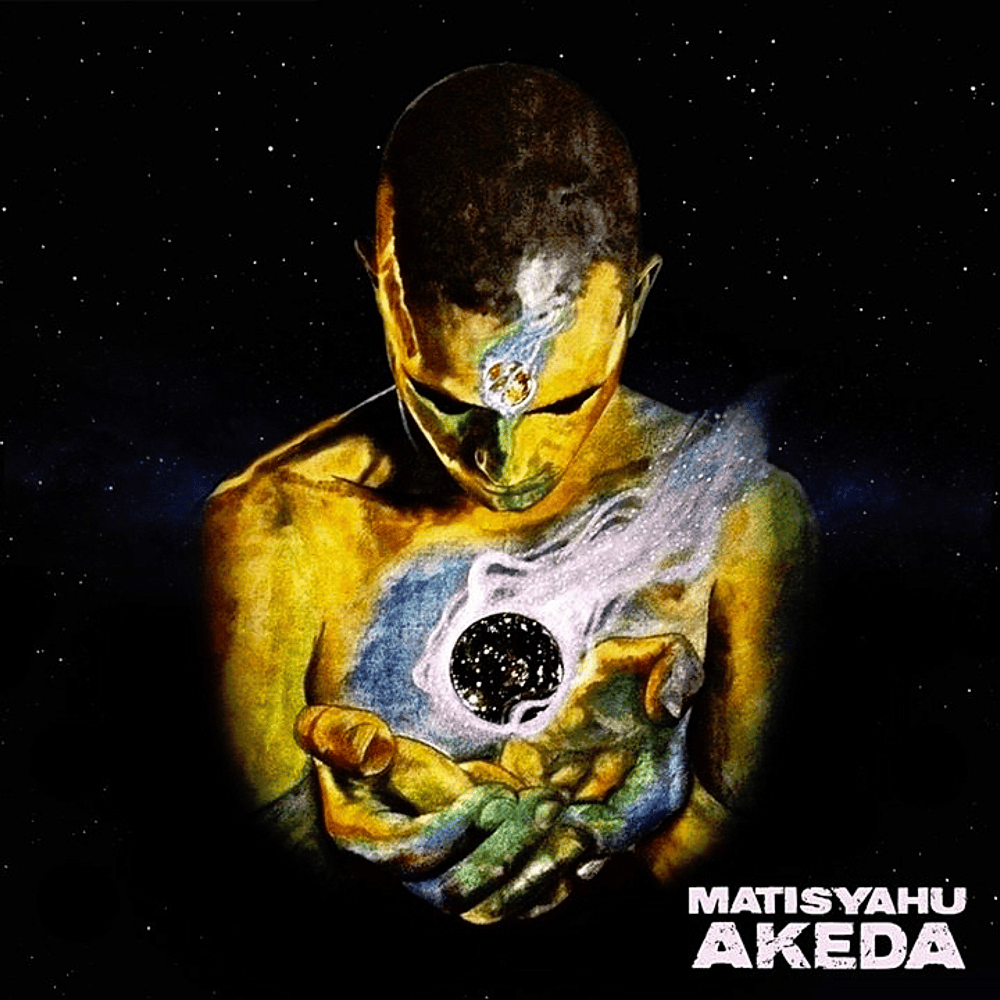
{"song_id": 12023759, "meaning": "Matisyahu's \"Akeda\" doesn't just retell a Bible story; it crawls inside Abraham's fractured psyche on the eve of Isaac's near-sacrifice. The song meaning hinges on the agonizing tension between divine command and paternal love, a conflict that bleeds into the very fabric of Abraham's being. The opening lines, \"How can I talk to you / I step into your glory,\" immediately establish a sense of awe and inadequacy before the divine, a feeling amplified by the Hebrew phrase \"Ashrey yoshvey beyseho,\" typically translated as \"Happy are those who dwell in your house.\" Yet this reverence is juxtaposed with a desperate plea: \"Teach me to love.\" This isn't a simple request; it's a grappling with the very nature of love when obedience demands the unthinkable.
The repeated invocation of \"Avraham, Avraham\" serves as both a calling and a lament. The stark instructions – \"Take your son, take your blade, take your rope\" – are delivered with chilling simplicity, highlighting the brutal practicality of the task. The lyrics emphasize the psychological torment through the line, \"In your dreams, fantasies, realities, they all bleed.\" It's a powerful acknowledgement that the trauma isn't confined to a single moment but permeates Abraham's entire existence, blurring the lines between what is real and what is imagined. He's haunted by the potential act, already living its consequences before it even occurs.
The haunting question, \"Ayeka\" (Where are you?), adds another layer of complexity to the song's analysis. Traditionally, this is God's question to Adam after the fall, but in the context of \"Akeda,\" it becomes a multi-faceted inquiry. Is it Abraham questioning God's whereabouts in the face of such a cruel test? Is it God questioning Abraham's faith? Or perhaps, most poignantly, is it Abraham questioning his own location within his own moral compass, lost in the labyrinth of obedience and sacrifice? \"Akeda\" isn't a simple recounting of a religious tale; it's an exploration of the terrifying intersection of faith, duty, and the human heart pushed to its breaking point."}
 View Artist