Song Meaning
The lyrics paint a picture of someone desperately waiting for a connection, a call, or a visit. The repeated "Come to me" acts as a plea, a command, and a mantra, establishing an immediate sense of longing. The narrator is clearly on the other end of a communication line, urging the other person to bridge the gap, whether through a simple hello or a more significant interaction. The tone is one of urgent anticipation, a feeling amplified by the direct address and the sense of time passing.
The central tension lies in the push and pull between the narrator's active desire for contact and the implied passivity or absence of the other person. Phrases like "Show you moi believe me" and "You know where I am" suggest a vulnerability, a willingness to be seen and understood. Yet, the repeated "Yes it is time" implies a delay, a sense that the moment for connection is being missed or is perpetually just out of reach. This creates a palpable sense of frustration beneath the surface of the insistent invitations.
The most striking aspect of the craft is the multilingual approach, weaving English, French, and even a touch of "moi" and "tu" into the plea. This linguistic layering suggests a complex emotional landscape, perhaps hinting at a shared history or a desire to transcend simple language barriers to achieve understanding. The shift from "Come to me" to more specific actions like "ring the bell," "take the pen," and "turn the page" illustrates a progression of hope, moving from a general invitation to concrete steps towards resolution.
Ultimately, the effectiveness of these lyrics stems from their raw, unvarnished expression of wanting to be reached. The simple, direct commands, combined with the subtle hints of impatience and the intriguing multilingualism, create a compelling portrait of someone on the brink of connection, waiting for the other shoe to drop or the phone to ring. The final "Allo allo allo" leaves the listener suspended in that moment of hopeful, yet uncertain, anticipation.
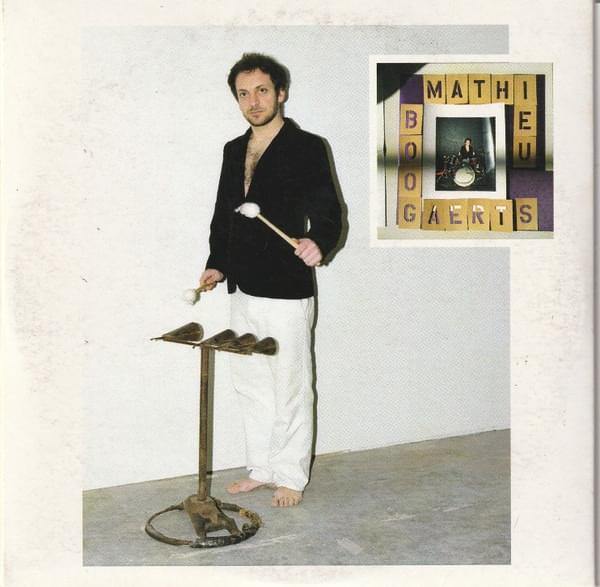
 View Artist