Song Meaning
The narrator feels unheard and disconnected, trapped in a mundane "secretariat" where no messages are kept, expressing a desire to escape societal structures. They identify as a reluctant anarchist, finding solace in "invisible friends" and even more "invisible enemies," suggesting a deep-seated isolation. The lyrics paint a picture of someone embracing their own path, uninterested in mainstream success or conforming to social norms, even adopting a defiant, almost aggressive stance when challenged. This defiance is coupled with a yearning for a solitary existence, a retreat into nature, embracing their inner "hermit."
The central tension arises from this internal conflict between societal engagement and a profound desire for isolation. The narrator claims to have signed with Def Jam, positioning themselves as a significant talent, yet simultaneously expresses a desire to "live in the woods" and reject the "state." This creates a push-and-pull between ambition and a rejection of the very systems that might facilitate that ambition. The repeated lines about God not responding, and the vast distance between heaven and the ocean floor, further emphasize a feeling of abandonment and a search for meaning in a seemingly silent universe.
The most striking craft element is the juxtaposition of aggressive, almost violent imagery with a deep-seated introversion. Phrases like "take some slaps" and "bomb man patch" are contrasted with the self-description of being a "hermit" whose "light is writing." This creates a complex persona, one that projects strength and a willingness to fight, yet is fundamentally drawn to solitude and self-expression through art. The recurring theme of God's silence and the vast, unbridgeable distance serves as a powerful metaphor for the narrator's own feelings of being disconnected and unheard, even from a higher power.
Ultimately, the lyrics resonate because they articulate a raw, often contradictory, desire for authenticity and escape. The narrator's embrace of their own unique, even "filthy," confidence, coupled with their rejection of external validation and societal structures, speaks to a powerful urge to forge one's own path. The feeling of being unheard, whether by people or by God, is a palpable undercurrent that drives the narrator's defiant self-reliance and their ultimate vision of a solitary, natural existence.
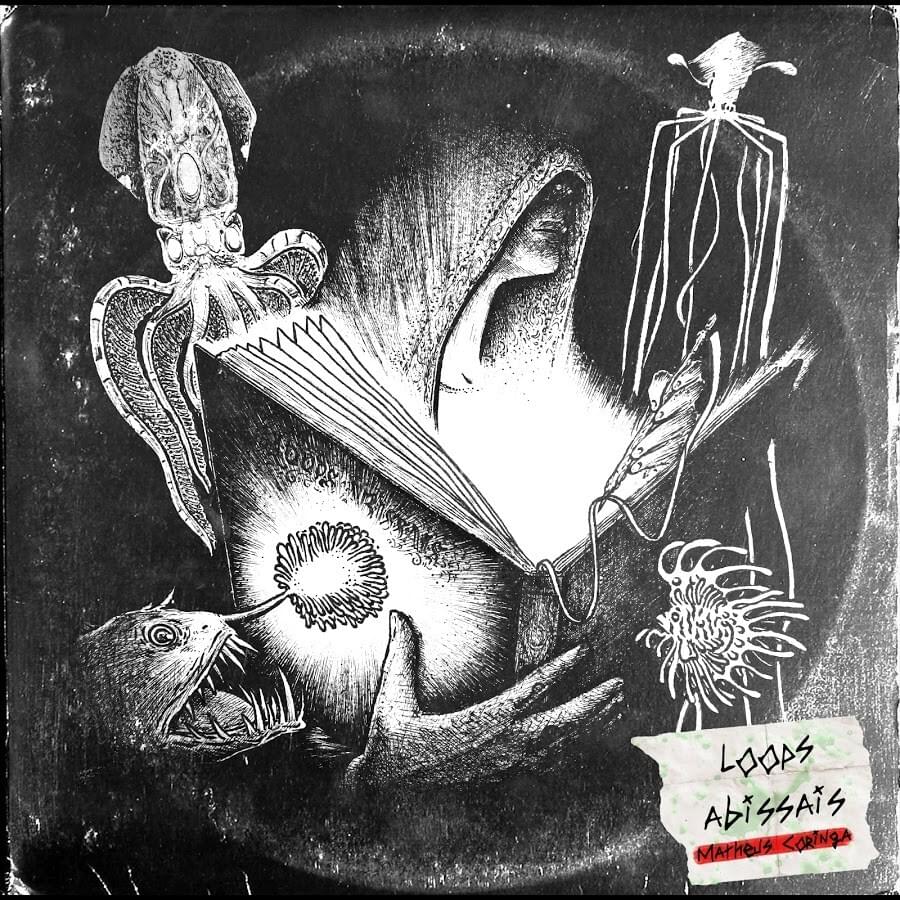
 View Artist