Song Meaning
The lyrics paint a picture of a relationship teetering on the edge, marked by a sense of impending disappointment and a plea for understanding. The narrator acknowledges a pattern of letting someone down, expressing a desire to see into their eyes before it happens again. This suggests a self-awareness of their own failings and a hope that the other person can comprehend their internal struggle, even if they can't prevent the inevitable hurt. The opening lines establish a tone of regret and a fragile attempt at connection before a perceived breakdown.
The central tension revolves around a perceived cycle of emotional blindness and taking without giving. The chorus introduces a folk wisdom about men going blind in their hearts and people stealing affections, framing the relationship's struggles within a broader, almost fatalistic, human tendency. This externalizes some of the blame, suggesting these are common pitfalls rather than unique failures. Yet, the narrator also admits to wondering why they were let down and taking things for granted, revealing a personal responsibility within this larger pattern.
The most striking imagery comes from the second verse, where the narrator asks for "flowers of your December" and "dreams of your candy wine." This juxtaposition of winter's end with sweet, perhaps decadent, desires creates a poignant contrast. It seems to represent a longing for something beautiful and indulgent from a time that feels cold or barren, a final offering before something is withheld. The admission of having "just one thing I can't give you" underscores a fundamental limitation or a hidden barrier that prevents complete emotional surrender.
Ultimately, the effectiveness of these lyrics lies in their melancholic honesty and the way they weave personal confession with generalized observations about love and loss. The narrator’s vulnerability in admitting fault, coupled with the almost resigned acceptance of common human failings, creates a deeply resonant emotional landscape. The song captures that difficult space where one recognizes their own capacity for causing pain while simultaneously feeling caught in a larger, perhaps unavoidable, emotional current.
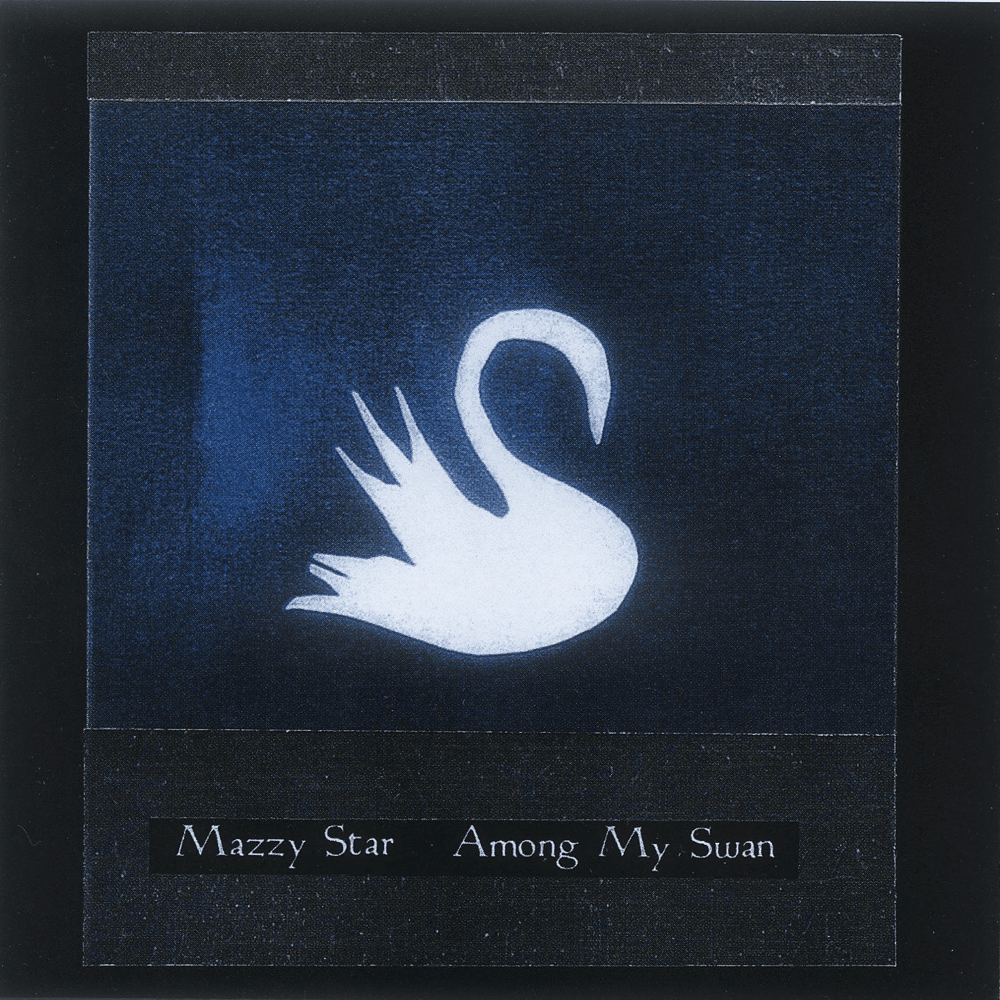
 View Artist