Song Meaning
The lyrics paint a stark picture of conflict driven by abstract ideals and the manipulation of individuals. There's a sense of disillusionment with the pronouncements of national pride and the pursuit of "ignorant goals," suggesting that those in power orchestrate wars for their own ends. The imagery of soldiers marching "toward their death" with "the flag unfurled" highlights the tragic disconnect between patriotic fervor and the grim reality of combat. The narrator observes this cycle with a critical eye, questioning the motivations behind such widespread violence.
The central tension lies in the contrast between the "old men" who initiate conflict and the "young men" who bear its brunt. The chorus explicitly states this grim exchange: "Old men make mistakes and soon the young men pay." This highlights a profound injustice, where the decisions of a few lead to the ultimate sacrifice of many. The phrase "Return to Vietnam, the parallel is the same" powerfully suggests that this pattern of conflict and sacrifice is not unique but a recurring tragedy, echoing past wars and implying a bleak outlook for the future.
The lyric "Your fates in the hands of those who pull your strings" is particularly striking, framing individuals as puppets in a larger, unseen game. This dehumanizing perspective is amplified by the description of "mesmerize the chosen, critisize desertion, publicize the moment, just coersion." It suggests a systematic process of indoctrination and control, where dissent is punished and obedience is enforced through propaganda and manipulation. The "Bosnian freeze" adds a specific, chilling geographical context to this widespread suffering, reinforcing the idea that these conflicts are not abstract but deeply human and devastating.
Ultimately, the effectiveness of these lyrics stems from their unflinching portrayal of the human cost of war and the cynical machinery that drives it. By focusing on the puppetry of the masses and the stark consequence for the young, the song creates a powerful sense of unease and condemnation. The repeated idea of a cyclical, unjust sacrifice makes the message resonate, forcing listeners to confront the enduring tragedy of conflict and the often-hidden forces behind it.
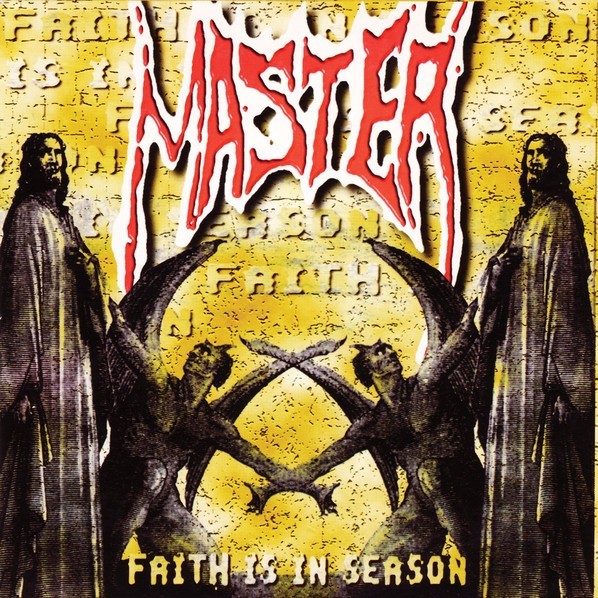
 View Artist