Song Meaning
The lyrics paint a stark picture of disorientation and emotional paralysis following a separation. The narrator describes the "longest day" and wandering the city, feeling fundamentally changed and speechless since the other person's absence. This immediate sense of being lost and unable to process feelings, asking "What should I feel?", sets a tone of profound vulnerability and dependence. The repeated plea, "I can't yet alone," underscores the central conflict: an inability to cope with the present reality without the other person's presence. This isn't just sadness; it's a complete breakdown of self-sufficiency.
The core tension lies in the contrast between a recent past and the desolate present. The narrator recalls a time when "all the stars of the sky" were accessible "from your palm," suggesting a period of immense connection and perceived destiny. This idyllic memory is shattered by the current reality: "today, when I need you, you're not here." This sharp juxtaposition amplifies the pain of abandonment, making the present emptiness feel even more acute and unbearable. The lyrics hinge on this dramatic shift from perceived security to sudden, overwhelming loss.
The most striking craft element is the direct, almost desperate repetition of the central plea: "Give me your hand." This refrain acts as an anchor, a lifeline the narrator desperately throws out into the void. It’s not a request for comfort, but a demand for presence, for a tangible connection to pull them back from the brink. The phrase "Stay with me" reinforces this, emphasizing the fear of being left utterly alone. The simplicity of the request, "Give me your hand," makes the underlying desperation all the more potent, highlighting a complete reliance on the other person for stability and emotional grounding.
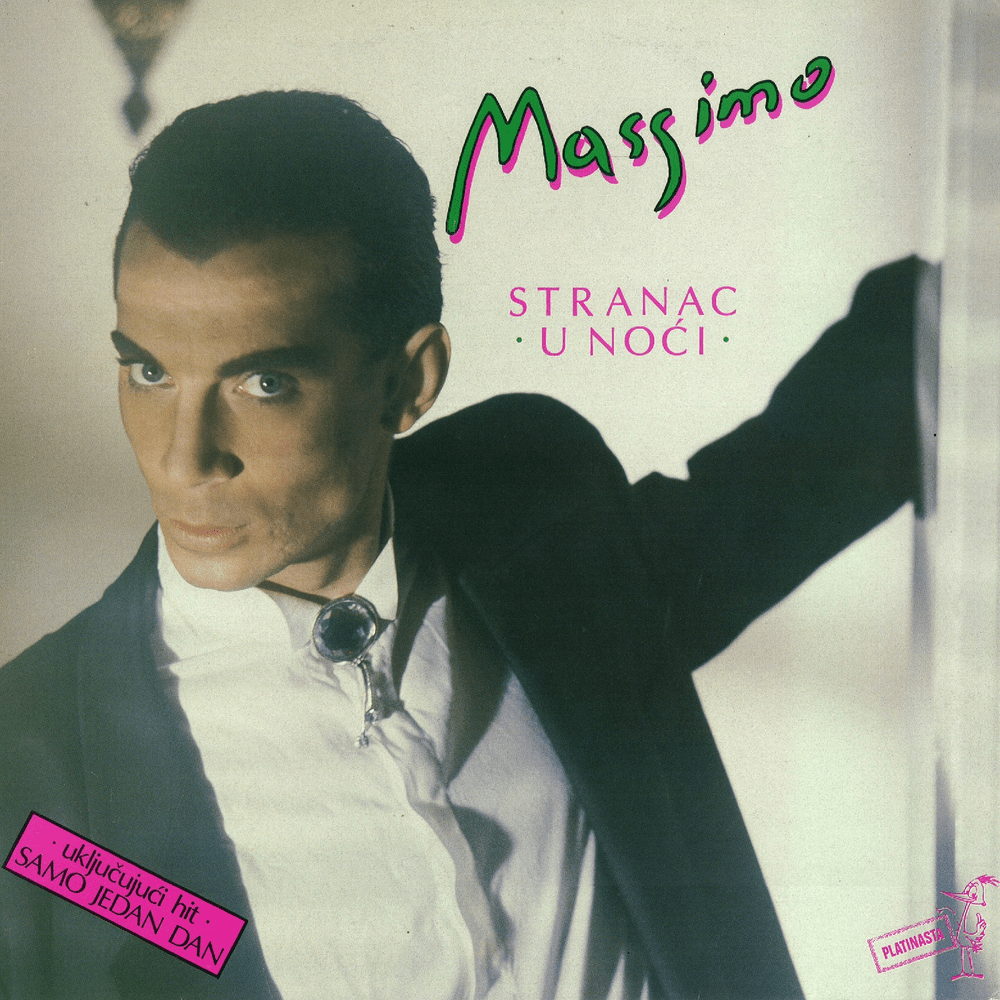
 View Artist