Song Meaning
The lyrics paint a picture of serene, almost idyllic daily existence, characterized by peaceful labor and an unwavering sense of inner strength. The opening lines, "Púrpuro doce, nublado horizonte" and "Trabalho foice, arado oceano," establish a mood of gentle, productive effort, where even challenging tasks feel manageable and harmonious. The narrator explicitly states, "Passando bem o dia, nada de agonia," reinforcing this feeling of contentment and lack of distress. This stable foundation is further emphasized by the declaration, "A ferro e fogo, a fé não estremeço," suggesting a deep-seated resilience that anchors their peaceful days.
The central tension emerges in the recurring refrain, "Até tarde então sinto-me podendo voar e vagar / E no mais sou são, mas também preciso sonhar." While the days are filled with peace and strength, there's a distinct yearning for something beyond the tangible reality. The phrase "voar e vagar" (to fly and wander) suggests a desire for freedom and exploration, a departure from the structured harmony of the day. This yearning exists alongside the narrator's assertion of being "são" (sound/sane), indicating that this need to dream and wander isn't born of distress but rather a complementary human impulse.
The most striking craft element is the juxtaposition of the grounded, almost stoic imagery of the verses with the ethereal, expansive feeling of the chorus. The repetition of both the verse's peaceful declarations and the chorus's desire to "fly and wander" creates a cyclical rhythm that mirrors the daily routine and the persistent, underlying dream. The phrase "Osso no osso, num estalar de dedos" (bone to bone, in the snap of a finger) is particularly evocative, suggesting a profound, almost skeletal connection and a swift, effortless execution of tasks, which then contrasts with the expansive, less defined desire to dream and wander.
Ultimately, the lyrics resonate because they capture a universal human experience: the balance between finding contentment in the present and needing to aspire towards the unknown or the imaginative. The writing effectively grounds the listener in a state of peaceful accomplishment before introducing the quiet, persistent pull of dreams and freedom. This duality makes the song feel both deeply reassuring in its depiction of stability and poignantly relatable in its acknowledgment of the inner life's expansive needs.
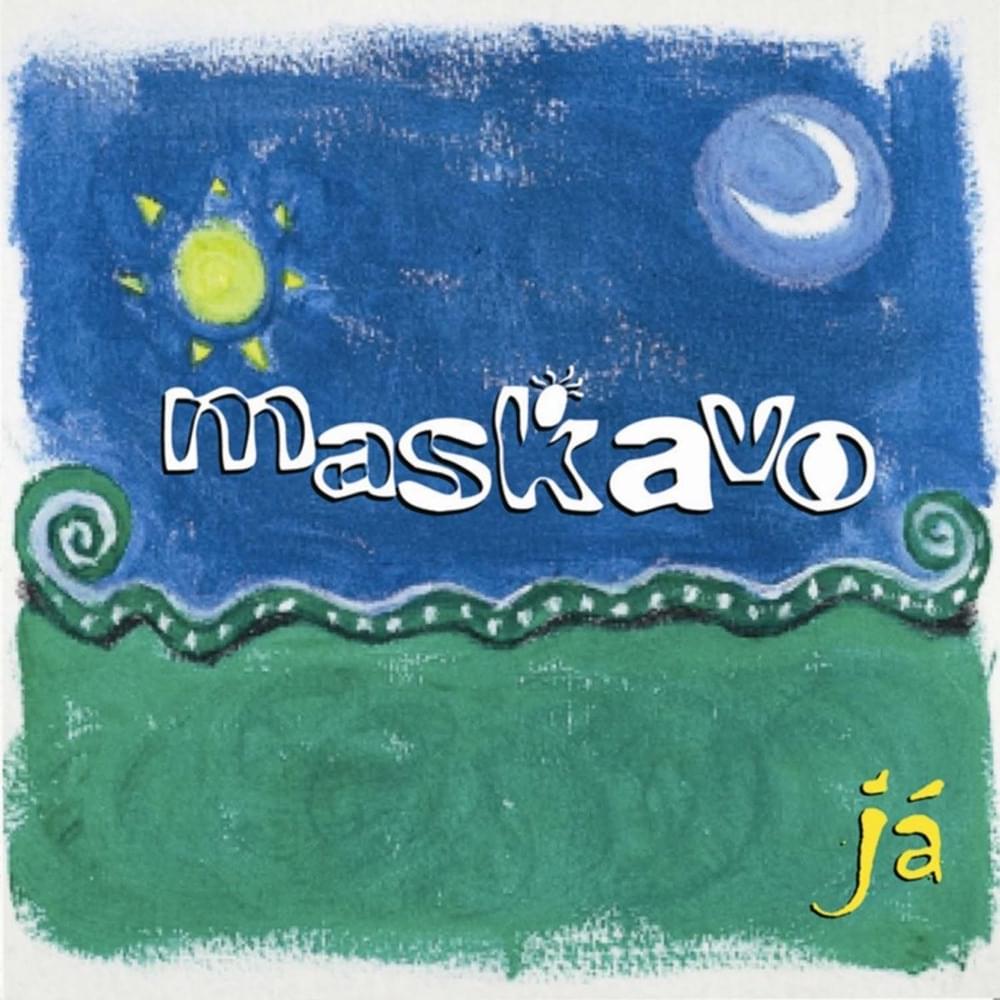
 View Artist