Song Meaning
The lyrics paint a vivid picture of a couple, "a pair of lovers kissing in white," caught in a moment of intense passion, symbolized by the open roof and small sports steering wheel. The narrator grapples with a desire to escape the city and erase memories, yet acknowledges the overwhelming pull of this specific person, stating, "But you, no, not for a minute." This creates an immediate tension between the wish for oblivion and the inescapable reality of their connection.
The central conflict lies in the narrator's internal struggle between wanting to sever ties and move on, and the profound, almost desperate commitment to the other person. Phrases like "I'll cut everything, I'll leave the city" clash directly with "I'll go through everything for you / Until the end, I'm for you." This push and pull highlights a deep-seated devotion that transcends the desire for personal peace or forgetting.
The most striking craft element is the conditional phrasing that underscores the narrator's longing to revisit the past. The repeated refrain, "If there was a way to do it all over / I would have yesterday," functions as a powerful expression of regret and an intense wish for a do-over. This isn't just about wanting to relive a moment, but a desire to have acted differently, perhaps to have cherished or protected something that is now in jeopardy or lost.
This lyrical expression hits hard because it grounds an abstract, overwhelming emotion in concrete imagery and a relatable human desire for second chances. The narrator's internal monologue, "To myself I say," reveals a private battle, making the declaration of unwavering commitment feel both intimate and monumental. The contrast between the wish to escape and the resolve to stay, all encapsulated in the yearning for "yesterday," captures the complex, often contradictory nature of deep affection and regret.
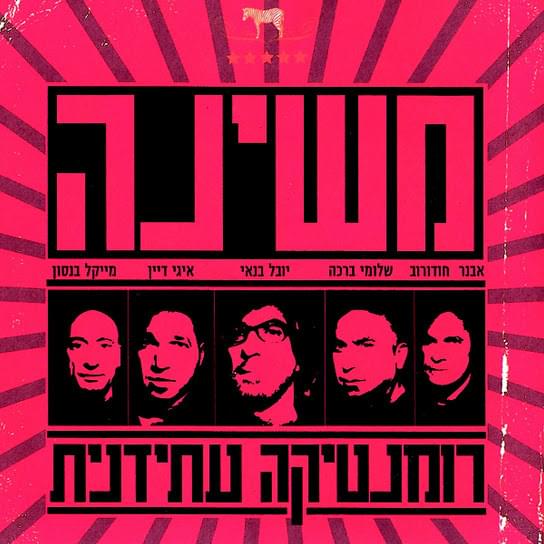
 View Artist