Song Meaning
The lyrics immediately plunge into a deeply internal landscape, with the narrator observing a "you" moving through "corridors of my soul." This "you" is a critical presence, accusing the narrator of a "crime" for needing to wait, all while "laughing from within." It's a vivid picture of internal conflict.
This internal "you" isn't just critical; it actively "asks to enjoy the doubt" and has a "desire to dismantle," labeling the situation a "way of torture." The tension lies in the narrator's passive observation of this destructive inner force, which seems to derive some perverse satisfaction from the speaker's suffering or inaction.
The most striking craft element is the ambiguous nature of the "you" and its unsettling "laughing from within." Is this an internalized critic, a shadow self, or the ghost of a past relationship? This internal laughter, repeated throughout, acts as a chilling, mocking counterpoint to the narrator's perceived "crime" and "torture," suggesting a deep, almost masochistic, psychological dynamic at play.
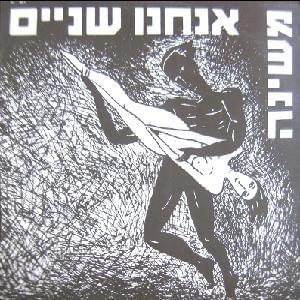
Amidst this intense internal struggle, the recurring refrain "And we are two / Certainly not alone" offers a crucial shift. It suggests a shared experience, perhaps with this internal "you" or an external, unseen presence. The final plea, "Oh, here are the heavens / Trying to send a hand," grounds the abstract internal pain in a tangible yearning for external intervention or solace, making the lyrics resonate as a desperate search for connection or relief from a deeply personal torment.
 View Artist