Song Meaning
The lyrics paint a picture of quiet regret and missed opportunities, centered around a "ぐでんぐでんのマフラー" (a limp, worn-out scarf). The narrator seems to be in a solitary, cold state, both physically and emotionally, often found at "いつもの喫煙所" (the usual smoking spot). This place becomes a recurring motif, a backdrop for introspection and a symbol of a stagnant routine.
The core tension lies in unspoken feelings and actions not taken. The narrator laments not presenting the scarf as a gift, wishing they had "言えば良かったな" (just said it). There's a sense of self-reproach for neglecting the other person's gestures or presence, implied by "蔑ろにした" (neglected/treated lightly) and "逸らした視線" (averted gaze). The repeated phrase "君は僕に首ったけ" (You're head over heels for me) suggests a perceived imbalance or a past dynamic where affection was readily available but perhaps not fully appreciated or reciprocated in the moment.
A striking image is the "ぐでんぐでんのマフラー" itself, a tangible object that represents both a potential gift and a symbol of weariness. The contrast between the scarf's limpness and the desire for a more decisive action – "言えば良かったな" (should have just said it) or "泣けばよかったな" (should have just cried) – highlights the narrator's internal conflict. The "白い煙" (white smoke) from the cigarette interacting with the scarf adds a layer of ephemeral melancholy, while the desire to avoid being "踊らされたくない" (danced to) by the "赤い月" (red moon) suggests a resistance to being swept away by overwhelming emotions or external influences.
Ultimately, the effectiveness of these lyrics stems from their understated portrayal of regret. The mundane setting of a smoking area and the simple image of a worn scarf ground the emotional weight. The narrator's internal monologue, filled with "what ifs" and a quiet acknowledgment of past neglect, resonates because it captures the universal feeling of looking back and wishing for a different approach to cherished moments and relationships.
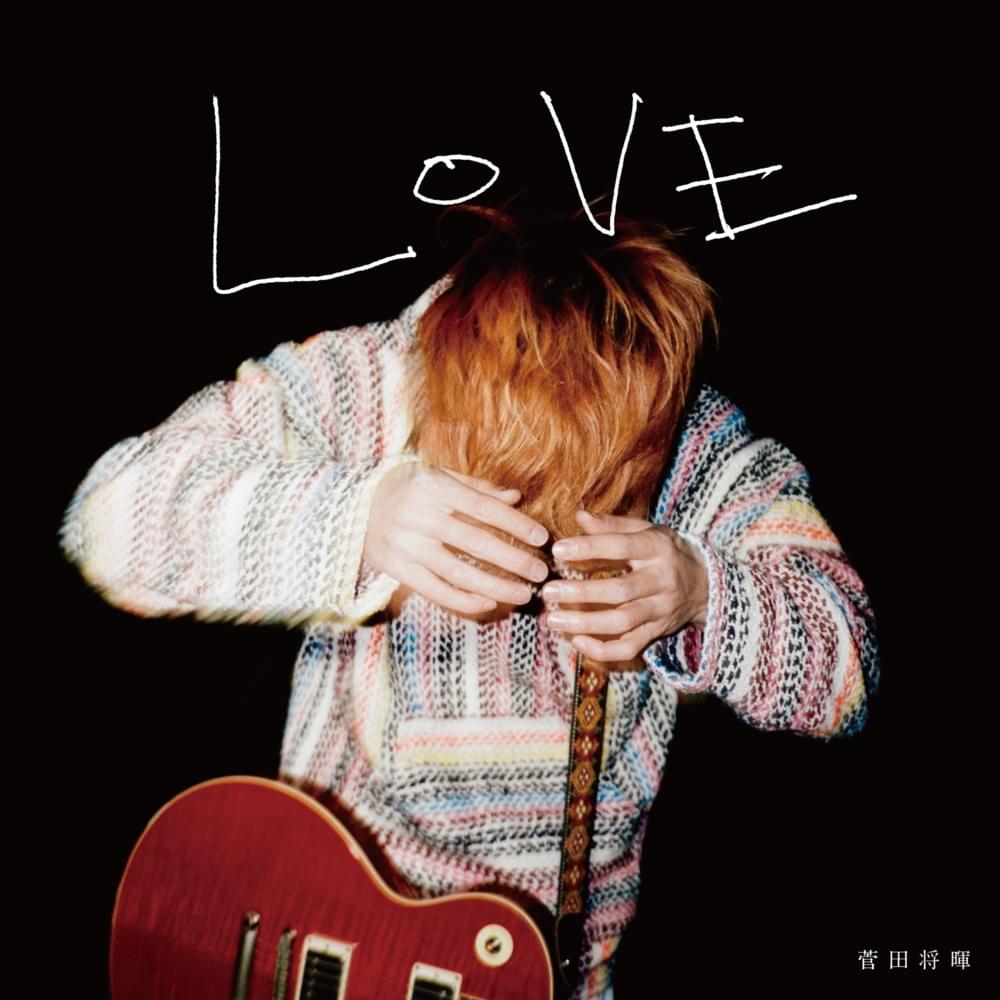
 View Artist