Song Meaning
The lyrics paint a portrait of someone seemingly resigned to a life of passive experience, marked by a recurring refrain: "Sama chciała" (She wanted it herself). This phrase hangs heavy, suggesting a self-imposed fate or a narrative of personal responsibility for circumstances that feel beyond control. The opening lines establish a sense of unchosen beginnings, "Tak się urodzić w niedzielę wieczór" (To be born on a Sunday evening), immediately setting a tone of passive reception rather than active participation. The narrator appears to drift through life, feeling like a mere "przesyłka, jak paczka mała" (a parcel, a small package), devoid of agency or deep feeling.
The central tension lies in the contrast between this perceived lack of control and the insistent self-blame or external judgment implied by "Sama chciała." The narrator moves through life's milestones – education, love, loss – with a detached numbness, "Myśli i nerwy mieć w proszku" (Having thoughts and nerves in powder). There's a pattern of finding and losing, of unrequited or ill-fated love, "Tak się niemądrze w niemądrych kochać" (To foolishly love the foolish), followed by regret and envy. This cycle reinforces the feeling of being trapped, yet the repeated phrase offers a stark, almost accusatory, explanation.
The most striking aspect of the craft is the persistent, almost incantatory, repetition of "Sama chciała." This phrase acts as both an internal monologue and an external judgment, creating a disorienting effect. It suggests a narrative where every misstep, every moment of pain, is attributed to the subject's own volition, even when the preceding lines describe a profound sense of being overwhelmed or unfeeling. The imagery of "zasnąć jak skała" (to fall asleep like a rock) in the final verse solidifies this sense of final, unresisting stillness, a passive end to a life lived with apparent, yet questionable, self-determination.
Ultimately, the lyrics resonate because they capture a complex emotional state: the feeling of being swept along by life's currents while simultaneously being held accountable for the destination. The stark, unadorned language and the relentless repetition of the titular phrase create a hauntingly melancholic portrait of someone seemingly accepting, or being forced to accept, a narrative of self-inflicted sorrow. It’s this ambiguity – is it genuine self-blame, societal judgment, or a coping mechanism? – that makes the song's emotional weight so palpable.
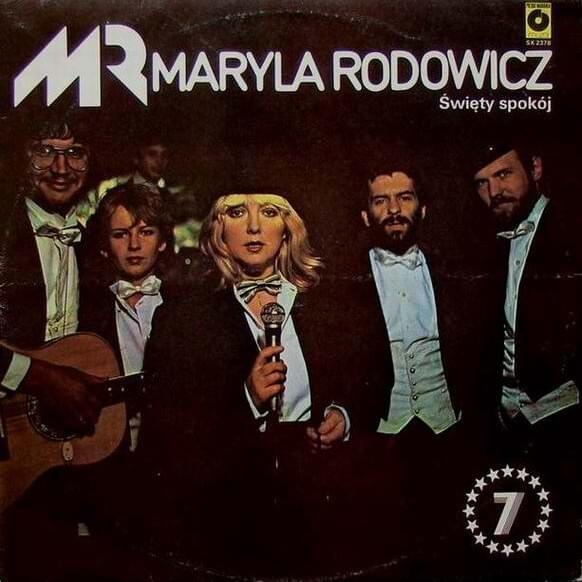
 View Artist