Song Meaning
The narrator is enacting a decisive, almost violent, closure. The opening lines immediately establish a sense of finality: "Do raju furtki trzy / Zamknęłam w maju i... / Zatrzasnęłam wszystkie drzwi." This isn't just closing a chapter; it's sealing off all potential paths, even the seemingly trivial ones like the liquor cabinet. The act is deliberate and absolute, marked by the specific month of May, suggesting a season of renewal being overridden by an act of profound ending.
This stark closure is juxtaposed with the vibrant, almost defiant, blooming of nature. "A fiołki kwitły, ech / I zapierało dech / Zakwitły nawet stare bzy." The flowers and lilacs are flourishing, indifferent to the narrator's internal shutdown. This contrast highlights the narrator's internal state against the external world's continuation, creating a poignant tension between personal desolation and natural vitality. The flowers' blooming is presented almost as a commentary, with the narrator noting, "One to potrafią!" – they know how to live and grow, unlike the narrator.
The lyrics emphasize the thoroughness of this severance, stating, "Nie został nawet kurz / Łyżeczki pół, czy tępy nóż / Po tobie mój mały." This imagery of absence is striking; not even the smallest remnants of the past or the person are left behind. The mention of a "tępy nóż" (dull knife) is particularly evocative, suggesting a domesticity that has been completely erased. The repetition of this stanza reinforces the completeness of the departure and the narrator's resolve to leave nothing behind.
The narrator's internal state is further detailed in the lines, "Zamknęłam furtki trzy / Zaparłam szafą i... / Zatrzasnęłam w sobie drzwi, nie ma rady na to..." This is not just about external actions but an internal sealing off, a shutting down of self. The physical act of barring doors with furniture ("Zaparłam szafą") translates into an impenetrable internal state. The phrase "nie ma rady na to" (there's no remedy for it) underscores the finality and the perceived irreversibility of this self-imposed isolation, leaving the listener with a sense of profound, unshakeable finality.
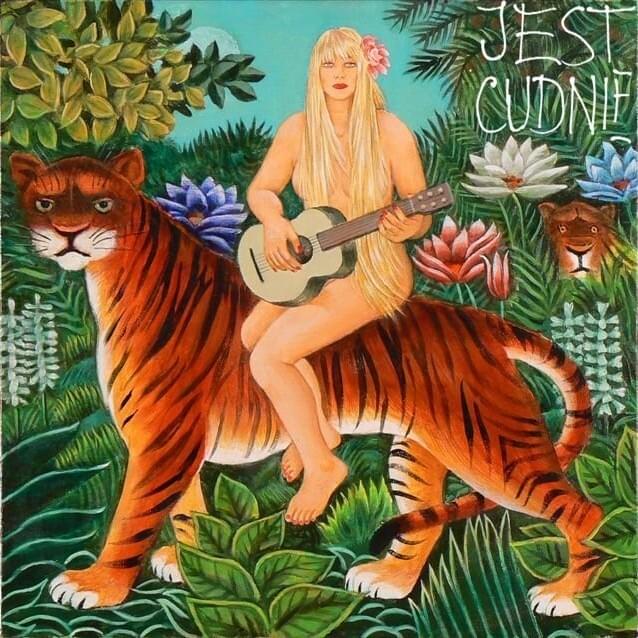
 View Artist