Song Meaning
The lyrics paint a picture of a desperate, almost apocalyptic love, where the narrator sees their own worth as a "rock in a hole after the third world war." This stark image contrasts sharply with the beloved's profound sadness and unparalleled beauty, creating an immediate emotional tension. The narrator is captivated, willing to "go swimming in you" under the "fullest moon" and embrace shared "insanity" when their "cup runs over with rain," suggesting a desire for complete immersion and a surrender to overwhelming emotion.
The core conflict seems to stem from the narrator's intense devotion clashing with a perceived fragility or self-destructive tendency in the beloved. The plea, "Don't give yourself away," is underscored by the observation that "there are too many others in pain," implying a fear of loss and a recognition of external suffering. This protective impulse is bizarrely intertwined with a suicidal ideation, as the narrator states, "It makes me want to kill myself peacefully," a phrase that highlights the extreme emotional weight the beloved carries for them.
One of the most striking lyrical devices is the juxtaposition of grand, almost cosmic imagery with intimate, unsettling declarations. The "valley of a thousand perfumes" and "flower of perpetual bloom" evoke a sense of idealized, perhaps even artificial, beauty. This is immediately followed by the jarring statement that "Today our music doesn't have enough style," and the intention to "run to the country from a suicide." This abrupt shift suggests a struggle to reconcile profound emotional states with the mundane or the superficial, and a desperate attempt to escape a shared existential dread.
Ultimately, the effectiveness of these lyrics lies in their raw, unflinching portrayal of an all-consuming, potentially destructive love. The narrator’s desire is simple: "All I ever wanted was to talk to you." Yet, this basic need is amplified by the surrounding chaos and the extreme emotional stakes, making the longing feel both profound and precarious. The writing forces the listener to confront the intensity of such devotion, where beauty and pain are inextricably linked, and the desire for connection borders on the self-annihilating.
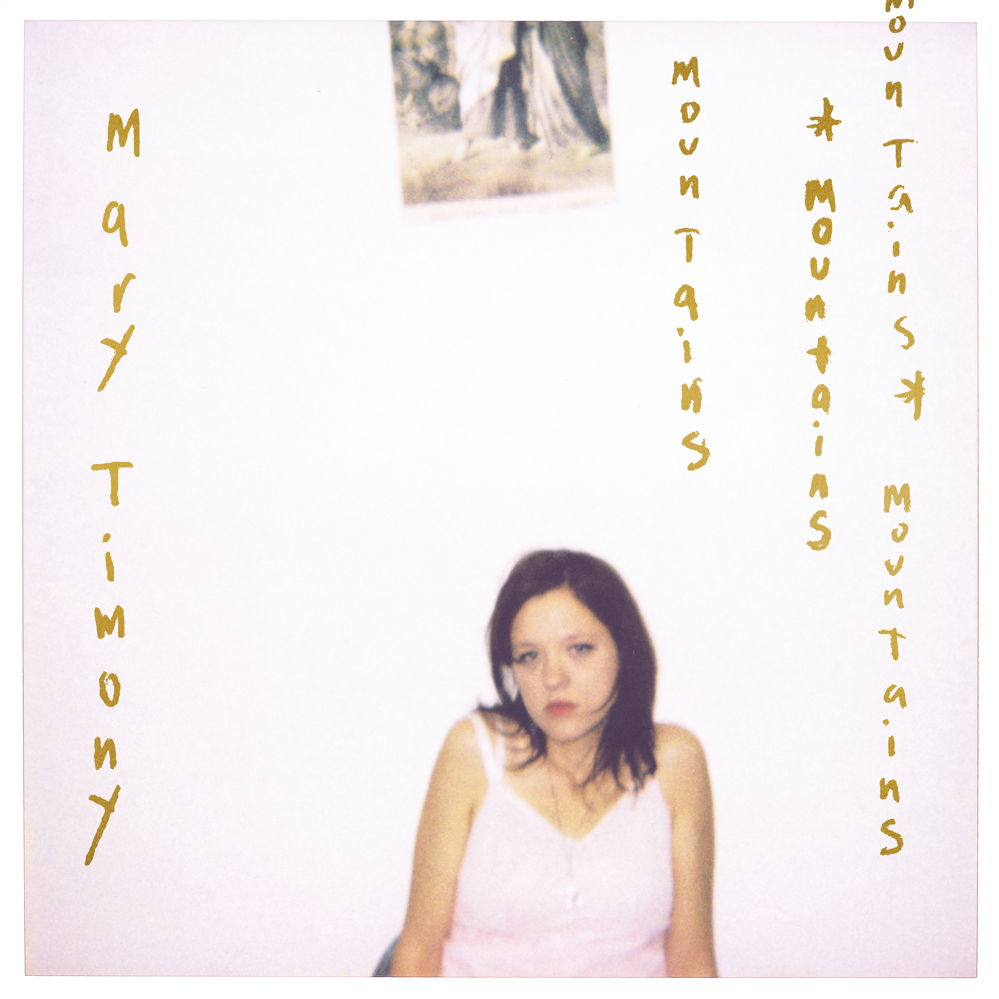
 View Artist