Song Meaning
The narrator finds herself in the dim, liminal space of a bar's back, losing track of time in a way that feels both deliberate and resigned. She's being told she's special, a love without a name, but the imagery of a "funhouse mirror" immediately injects a dose of suspicion, suggesting the reflection of affection isn't quite real. The contrast between ringing talk and screaming silence highlights a growing unease.
The core tension lies in the narrator's dawning realization of being used in a clandestine affair. The repeated phrase "coming up empty" acts as a stark refrain, underscoring the futility of her pursuit, like a gambler fishing for a winning hand that never materializes. This emptiness is compounded by the knowledge that her lover is returning to someone else, a fact that brings a twisted sense of relief but doesn't alleviate her own desolation.
The lyrics masterfully employ the metaphor of a "little bitty dose" to describe the lover's limited commitment, revealing a calculated emotional distance. The narrator's shift from believing to recognizing she's been "used" marks a crucial turning point. Her declaration, "I'm a little girl who just got wise," signifies a painful but empowering awakening, a shedding of illusion that culminates in her refusal to participate in the charade any longer.
This song hits hard because it captures the specific, gut-wrenching feeling of being a secondary option, a secret kept in the shadows. The craft here isn't about grand pronouncements but about the quiet, devastating details – the "funhouse mirror" distortion of affection, the "ringing hollow" promises, and the final, weary resolve to stop "coming up empty" and reclaim her own dignity, even if it means walking away from a twisted form of love.
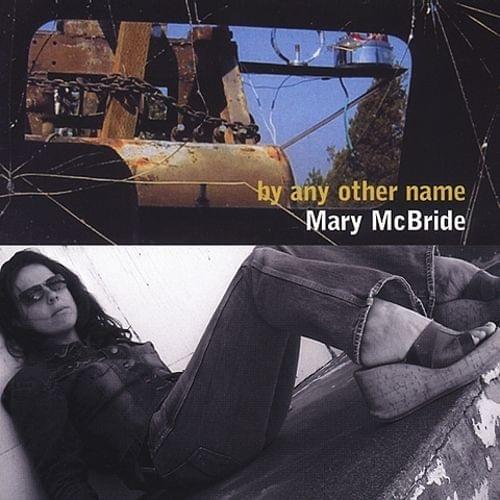
 View Artist