Song Meaning
The narrator is facing a significant challenge, one that others doubt they can overcome. There's a clear sense of external pressure and skepticism, with phrases like "you say the hill's too steep to climb." Yet, the narrator asserts their own agency, declaring they'll "climb the hill in my own way" and wait for "the right day." This establishes an immediate tension between external doubt and internal resolve.
The core conflict emerges from this push and pull. The narrator acknowledges the discouraging words heard today, but the act of rising above them, literally and figuratively, suggests a growing confidence. The contrast between the "idiot faced the crowd, smiling" and the "magistrate turn 'round, frowning" highlights a defiance against judgment, questioning who the real fool is when facing adversity.
The lyrics masterfully play with the idea of overcoming perceived limitations, transforming "fear-lines" into a landscape to ascend. The repetition of "climbing" and "the right day" emphasizes the persistent effort and the belief in eventual success. The shift from hearing the sounds of doubt to hearing the sounds of the crowd implies a change in perspective, where external noise becomes part of the ascent rather than a deterrent.
Ultimately, the effectiveness lies in this portrayal of quiet, determined defiance. It’s not about a loud, aggressive victory, but a personal triumph over self-doubt and external criticism. The narrator’s journey suggests that true fearlessness isn't the absence of fear, but the courage to climb despite it, finding strength in their own timing and path.
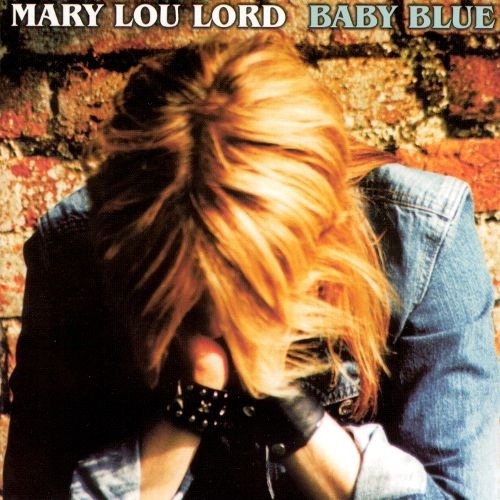
 View Artist