Song Meaning
Mary Chapin Carpenter's "I Was a Bird" isn't just a wistful tune; it's a poignant exploration of lost potential and the fading of self. The song's core lies in its central metaphor: the speaker's past self as a bird, a cloud, and a light – each representing freedom, nurturing, and vibrant expression, respectively. These aren't just images of nature; they are projections of a former identity, brimming with vitality and purpose, now seemingly unattainable. The repetition of "It's just a dream" underscores a deep sense of resignation, hinting at a present reality that sharply contrasts with this idealized past. It speaks to the universal human experience of aging, disillusionment, or perhaps even trauma, where the boundless possibilities of youth give way to the constraints of lived experience.
The lyrics paint a vivid picture of what's been lost. The bird that once "touched every inch of sky" is now invisible, the cloud that offered shade has turned to dust, and the light that danced freely is almost extinguished. These aren't merely physical changes; they represent a profound shift in the speaker's internal landscape. The lines "The clouds have fled, and the birds have flown / And the light that was is all but gone" carry a palpable sense of grief, acknowledging the irreversible passage of time and the erosion of one's former self. The song cleverly avoids assigning blame or dwelling on specific causes, instead focusing on the emotional impact of this transformation.
Ultimately, the song meaning of "I Was a Bird" transcends simple nostalgia. It delves into the complexities of identity, loss, and the enduring human longing for freedom and self-expression. The concluding repetition of "To be a light / To be a cloud / To be a bird / Flying free" serves as both a lament and a faint glimmer of hope. Even in the face of diminished capacity, the desire for liberation and the memory of a vibrant past continue to resonate, suggesting that the essence of who we once were never fully disappears, even if it exists only as a dream. Mary Chapin Carpenter doesn't offer easy answers, but instead provides a space for reflection on the inevitable changes that shape our lives and the enduring power of memory.
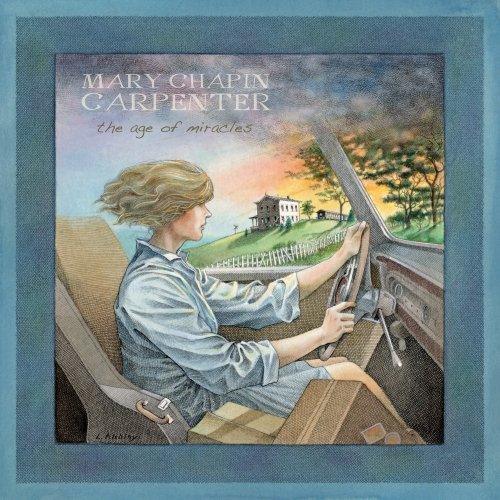
 View Artist