Song Meaning
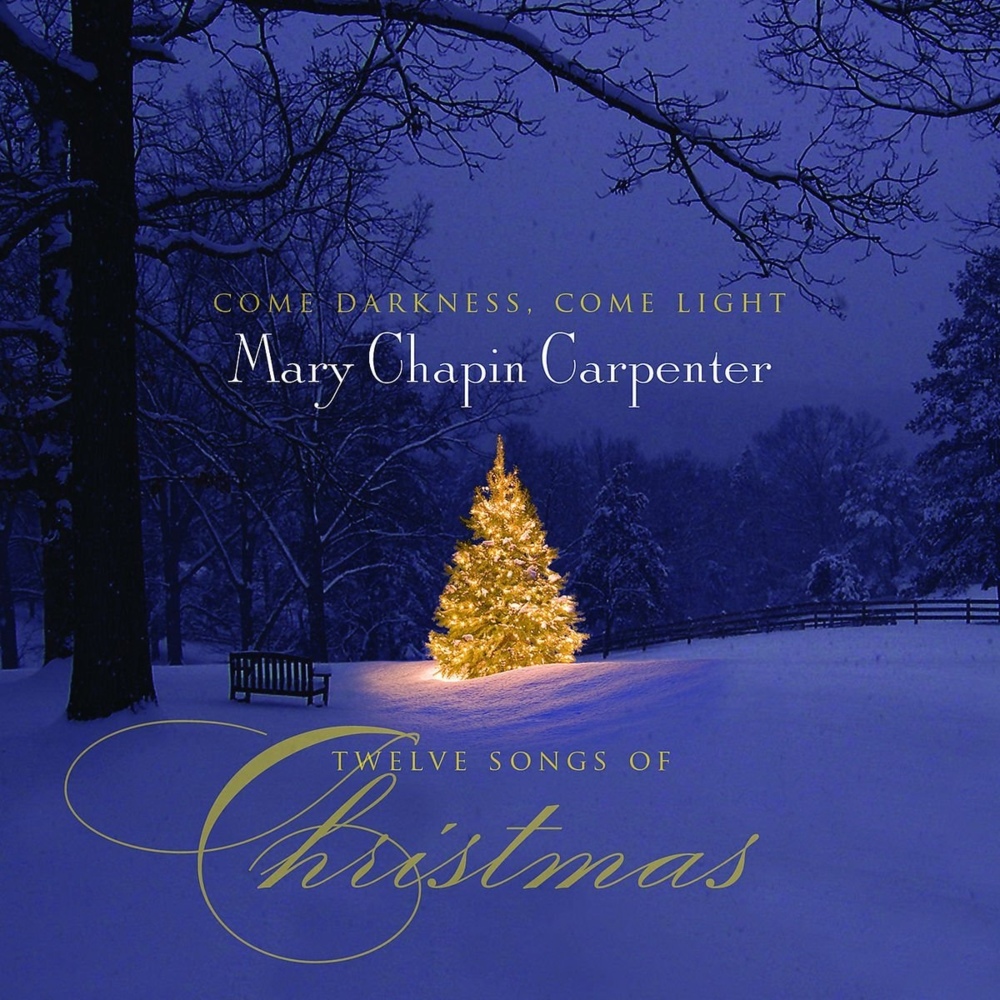
{"song_id": 12033068, "meaning": "Mary Chapin Carpenter's rendition of \"Children, Go Where I Send Thee\" isn't merely a recitation of biblical figures; it's a layered exploration of faith, community, and the sometimes-fragile architecture of belief. The song's structure, building verse upon verse, mirrors the way religious tradition itself accumulates meaning over time, each layer adding depth to the foundational narrative. The cumulative effect is not just a counting exercise, but an invocation, a communal calling of witnesses to the central miracle: the birth in Bethlehem. The arrangement emphasizes the collective, participatory nature of faith. It's a call-and-response, inviting listeners to actively engage with the story, making it their own. The simplicity of the melody, combined with the incremental addition of voices, creates a sense of shared experience, blurring the lines between performer and audience.
Carpenter's interpretation, while rooted in the traditional spiritual, subtly acknowledges the complexities inherent in religious belief. The inclusion of figures like the \"eleven deriders\" injects a note of ambivalence, a recognition that faith is not always blind acceptance, but can involve doubt, questioning, and even outright rejection. This acknowledgement of skepticism doesn't undermine the song's message; instead, it deepens it, suggesting that true faith is not the absence of doubt, but the ability to grapple with it. The song acknowledges the full spectrum of human experience within the context of faith.
Ultimately, \"Children, Go Where I Send Thee\" isn't just a Christmas carol; it's a meditation on the nature of faith itself. It's a reminder that religious tradition is not a static, monolithic entity, but a living, breathing thing, constantly being reinterpreted and re-experienced by each new generation. Carpenter's version invites us not just to passively receive the story, but to actively participate in its ongoing evolution, to find our own place within the ever-expanding circle of believers and doubters alike."}
 View Artist