Song Meaning
The lyrics paint a stark picture of a love facing an insurmountable obstacle, the titular "water is wide." The narrator feels utterly incapable of bridging this gap, lamenting, "I can't cross o'er" and lacking the means to fly. The immediate desire is for a simple solution: "a boat that can carry two," suggesting a yearning for shared passage and mutual effort with their beloved. This sets up a core tension between the desire for connection and the reality of separation.
The song then pivots to explore the dual nature of love itself. Initially, love is presented as pure and beautiful, "gentle, and love is kind," and "the sweetest flower when first it's new." However, this idealism is quickly tempered by a sobering acknowledgment of love's transience. The lyrics warn that "love grows old and waxes cold, And fades away like morning dew," introducing a profound sense of vulnerability and the potential for love's decay.
This fragility is amplified in the third verse, where the narrator compares their own deep love to a ship sailing the sea. While the ship is "loaded deep as deep can be," the narrator's love is "not as deep as the love I'm in." This intense, almost overwhelming depth of feeling leaves them in a precarious state, uncertain of their fate: "I know now how I sink or swim." The craft here is in the escalating imagery, moving from a simple inability to cross to the existential dread of being submerged by one's own profound affection.
Ultimately, the effectiveness of these lyrics lies in their raw portrayal of love's inherent risks. The contrast between the initial hope for a shared journey and the later fear of drowning in one's own emotions creates a powerful emotional resonance. The simple, almost folk-like language belies a deep anxiety about love's endurance and the potential for profound loss, making the repeated plea for a way to cross feel both desperate and deeply human.
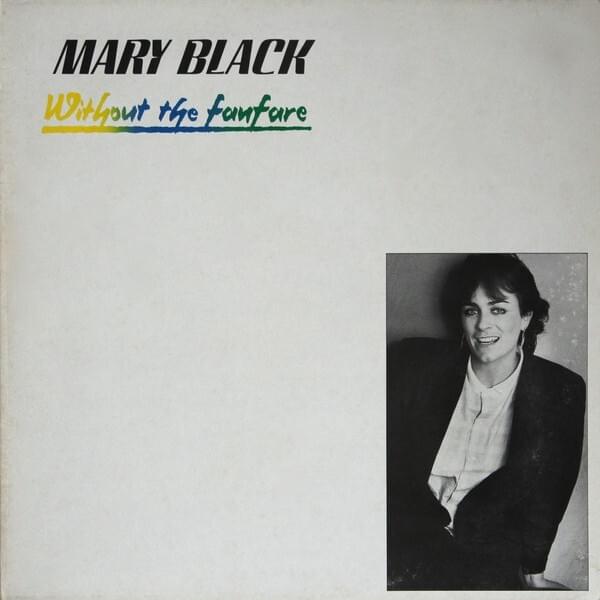
 View Artist