Song Meaning
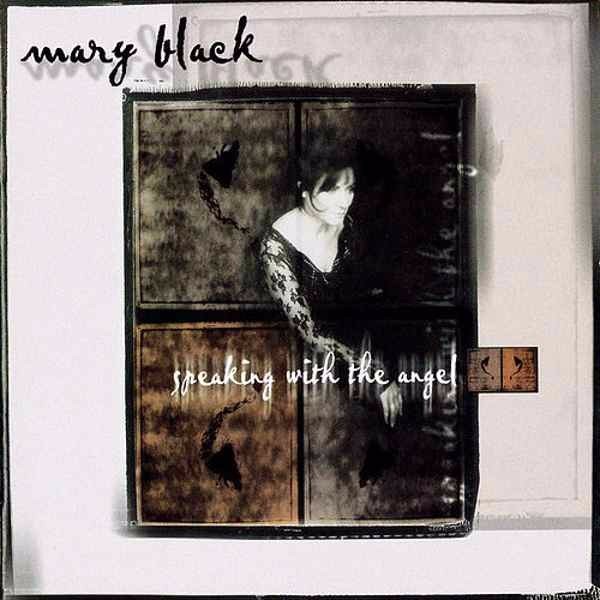
The lyrics paint a portrait of an individual who exists outside conventional societal understanding, characterized by an inherent purity and inability to engage in deceit. The narrator urges others to cease their attempts to control or judge this person, emphasizing their unique internal world. This plea is underscored by the recurring image of the subject "speaking with the angel / That only he can see," suggesting a profound, perhaps spiritual or visionary, connection that isolates them from ordinary interaction.
The central tension arises from the contrast between the subject's perceived 'helplessness' and the narrator's accusation that others are the ones who lack true understanding or agency. The question, "Well what about you / You don't pull the strings," implies that those who judge are themselves manipulated or ignorant. This challenges the listener to reconsider their own perceptions of control and innocence, suggesting that the subject's detachment is not weakness but a different form of awareness.
The most striking craft element is the repeated assertion of the subject's inability to perform negative actions: "He don't know how to lie / Or undermine you / He don't know how to steal / How to deal or deceive." This litany of innocence is juxtaposed with the enigmatic "He don't even know his name," which hints at a profound disconnect from self or worldly identity, further emphasizing their otherworldly state. The final lines, "The very one that spoke to you and me / Oh do you remember?" subtly shift the perspective, implying that this angelic connection was once shared or understood by the listener, adding a layer of lost communal wisdom.
Ultimately, the lyrics resonate because they champion an almost childlike purity against a world that seeks to corrupt or confine it. The effectiveness comes from the narrator's passionate defense, framing the subject's 'otherness' not as a deficit but as a higher state of being. By highlighting the subject's inability to 'lie' or 'deceive,' the song suggests that true wisdom lies in an uncorrupted perception, a perspective that challenges the listener's own assumptions about normalcy and spiritual connection.
 View Artist