Song Meaning
The lyrics paint a stark warning about a lover who promises devotion but is destined to depart. The narrator sees through the charade, identifying the man as someone who will inevitably break the listener's heart. The phrase "tomorrow's clown" is a potent image, suggesting a future filled with public embarrassment and private sorrow, a direct consequence of believing empty promises. It’s a sharp, almost cruel, observation of romantic deception.
The central tension lies in the contrast between the lover's sweet-sounding words and his impending actions. He "hear[s] him say he'll love you so," a tender declaration, yet the immediate follow-up is a dire "don't believe him, he's leavin' town." This juxtaposition highlights the deceptive nature of his affection, positioning him as a figure who offers comfort only to snatch it away, leaving the listener vulnerable and foolish.
The most striking aspect is the repeated, almost incantatory, phrase "tomorrow's clown." This isn't just about being sad; it's about being made a spectacle of, a fool whose misplaced trust is laid bare. The narrator seems to possess a bitter foresight, observing the listener's naivete with a mix of pity and perhaps a touch of self-interest, as evidenced by "Tomorrow's clown will love me only / But I might have flown away."
Ultimately, the effectiveness stems from its directness and the chillingly specific imagery of the "clown." It bypasses complex metaphors for a blunt, memorable warning. The lyrics force the listener to confront the painful reality of a lover's deceit, urging them to recognize the signs before they become "tomorrow's clown," a fate that promises not just heartbreak but public humiliation.
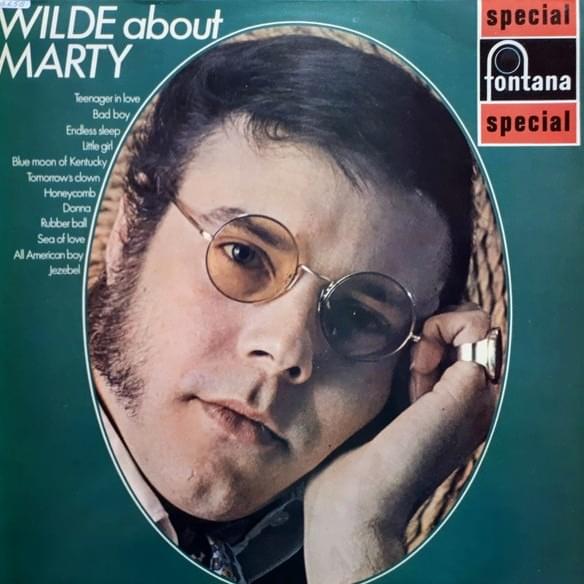
 View Artist