Song Meaning
Marty Robbins' "You Only Want Me When You're Lonely" isn't just a country ballad; it's a masterclass in codependency, set to a waltz. The song's core revolves around the deeply human, if self-destructive, desire to be wanted, even on the most transactional terms. Robbins lays bare the agonizing push-pull of a relationship built on need rather than genuine affection. The narrator is painfully aware of his role as a fallback, a comforting port in the storm of the object of his affection's romantic misadventures. He knows he's not the dream, just the readily available option. This awareness, however, doesn't translate into freedom. Instead, it fuels a cycle of longing and acceptance of crumbs. The musicality only enhances the emotional weight. The simple melody and straightforward arrangement create an intimate atmosphere, drawing the listener into the narrator's quiet despair. Robbins' vocal delivery is key, conveying both the resignation and the lingering hope that defines the character's internal conflict.
The brilliance of "You Only Want Me When You're Lonely" lies in its unflinching portrayal of a dynamic many find relatable, yet few openly discuss. It speaks to the universal vulnerability of wanting connection, even when that connection is conditional and ultimately unfulfilling. The repeated line, "You only want me when you're lonely," acts as a haunting mantra, a constant reminder of the imbalance at the heart of the relationship. It's not a song of anger or resentment, but of profound sadness and a strange, almost perverse, acceptance.
Ultimately, the song's meaning resides in that final, devastating line: "But, dear, I want you all the time." It's a confession of unconditional love in the face of conditional affection, a testament to the irrationality of the human heart. The narrator is not simply a victim; he's an active participant in his own emotional distress, drawn back to the flame despite knowing he'll be burned. This complexity elevates "You Only Want Me When You're Lonely" beyond a simple tale of unrequited love, transforming it into a poignant exploration of human frailty and the enduring power of hope, however misguided.
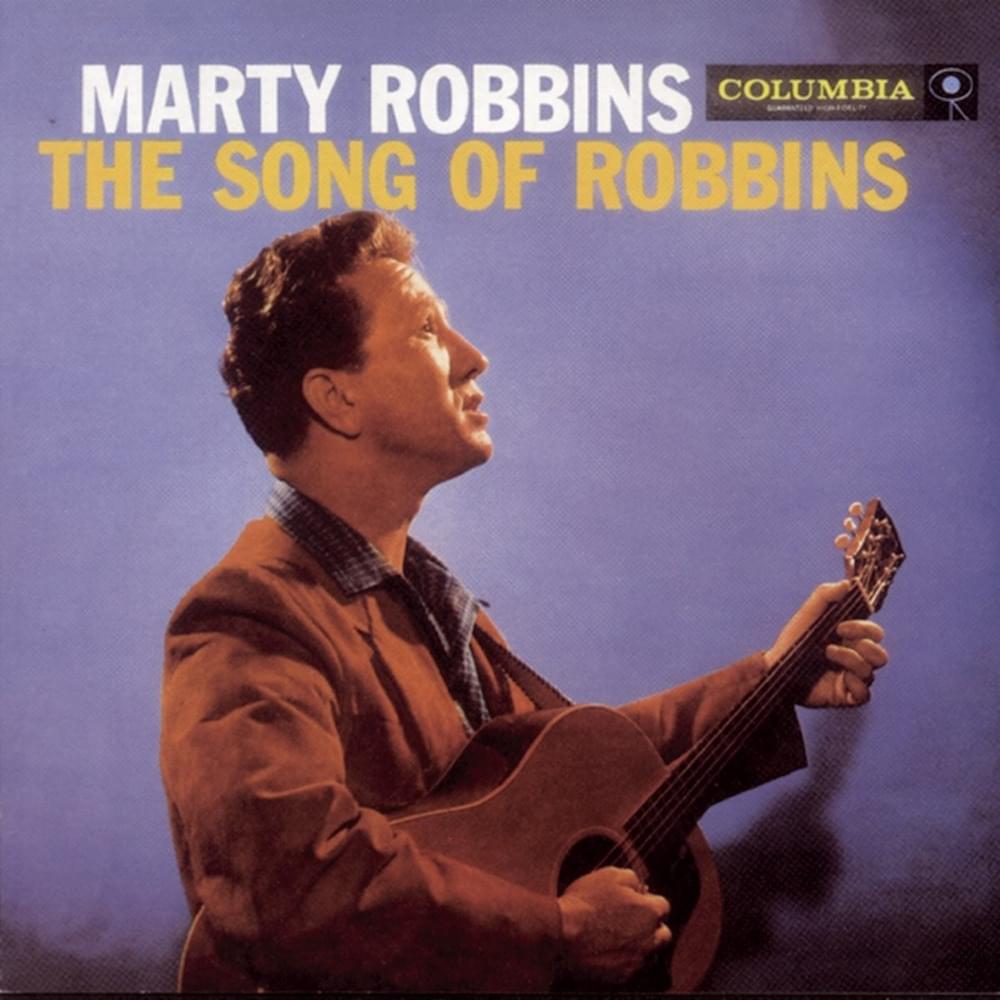
 View Artist