Song Meaning
Marty Robbins' "Waltz of the Wind" isn't just a song; it's a carefully preserved memory, a sonic photograph faded at the edges but still radiating warmth. The song meaning resides less in complex narrative and more in the evocation of a perfect, fleeting moment. The waltz itself becomes a metaphor for the intoxicating swirl of new love, a gentle, rhythmic dance where everything else fades into the background. The repetition in the lyrics reinforces this cyclical feeling, trapping the listener within the rosy-hued confines of that single, cherished evening. It's a testament to the power of simple, shared experiences to create lasting emotional resonance.
Robbins paints a scene of idyllic romance: moonlight, dancing trees, and a lover's gaze reflected in the stars. These aren't just pretty images; they are carefully chosen details that amplify the sense of intimacy and timelessness. The stars, acting as silent witnesses, impart a feeling of cosmic approval, suggesting that this love is written in the heavens. The lyrics analysis reveals that the night promises to stretch on forever, a sentiment born from the heady rush of infatuation. The narrator is completely consumed, already anticipating the next encounter, eager to relive the magic of the "Waltz of the Wind."
Yet, beneath the surface of this seemingly straightforward love song, there's a subtle undercurrent of longing. The phrase "dreaming of you, till we meet tomorrow" hints at the inherent ephemerality of these moments. The waltz, beautiful as it is, must eventually end. The song, therefore, becomes not just a celebration of love, but also a poignant reminder of its transient nature. Robbins captures the bittersweet quality of romance, the awareness that even the most perfect moments are destined to become memories. It's this delicate balance between joy and nostalgia that gives "Waltz of the Wind" its enduring appeal.
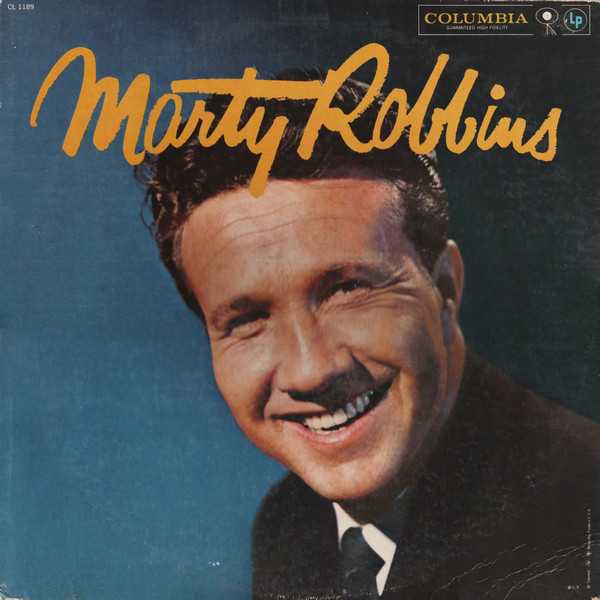
 View Artist