Song Meaning
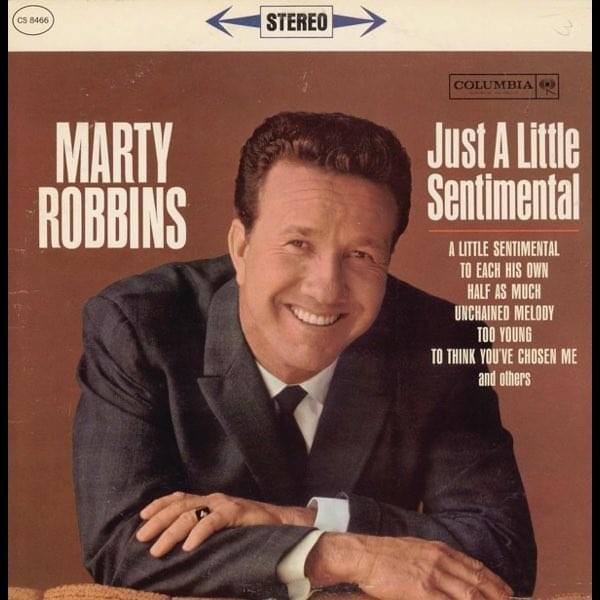
Marty Robbins's "To Each His Own" isn't just a sentimental ballad; it's a compact exploration of emotional dependency, masked as romantic devotion. The setup is classic: declarations of love couched in universally relatable metaphors. A rose needs sun and rain, lips crave kisses – these are the building blocks of connection. Yet, beneath the surface, the lyrics hint at something more profound, even a little unsettling. Robbins isn't just celebrating love; he's defining his very existence through it. "For me, there's you" is repeated like a mantra, a personal truth so fundamental it borders on obsessive. The song subtly suggests that without this specific 'you,' the singer's world lacks inherent meaning.
The song's middle section amplifies this sense of need. "If a flame is to grow, there must be a glow" speaks to the reciprocal nature of relationships, but then it quickly pivots: "I need you, I know, I can't let you go." The acknowledgment of neediness is stark, almost desperate. It moves beyond simple affection into the realm of emotional reliance. This isn't just about wanting someone; it's about feeling incomplete without them. The lyrics don't explore the partner's perspective, instead, keeping the focus tightly on the singer's internal landscape, his fears of abandonment, and his profound sense of lack.
Ultimately, "To Each His Own", through Robbins's delivery, transcends a mere love song and becomes a study in emotional codependency. While wrapped in the comforting tropes of romance, the song's underlying message is one of intense personal need and the fear of a life unfulfilled without the presence of a specific other. It's a testament to how love, at its most intense, can blur the lines between devotion and dependency, leaving the listener to ponder the fine line between a fulfilling relationship and an emotional crutch.
 View Artist