Song Meaning
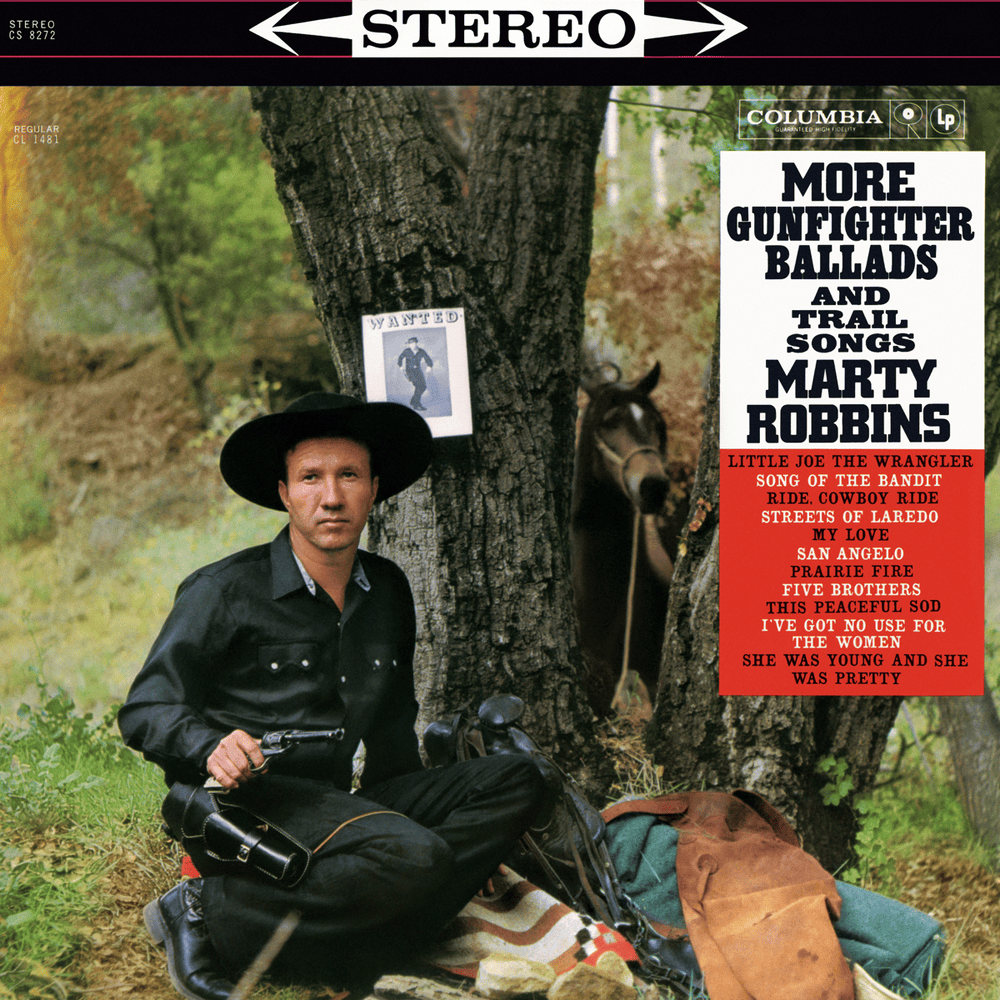
Marty Robbins' "This Peaceful Sod" is a deceptively simple ode to belonging that cuts deeper than its cowboy exterior suggests. Stripped of material wealth ("no money to jingle"), the singer finds solace not in earthly possessions, but in the vast, unyielding landscape and a connection to something larger than himself. The "peaceful sod" becomes a symbol of acceptance and continuity, a place where he is both humbled and free. It's a powerful statement about the hollowness of societal validation against the backdrop of nature's enduring presence. Robbins masterfully paints a picture of spiritual wealth found in simplicity, directly contrasting it with the anxieties of modern life.
The repeated chorus emphasizes the desire for enduring connection – not just to the land, but to a lineage ("where my fathers have trod") and a spiritual legacy. This yearning for belonging counters the feeling of rejection expressed in the line "I'm rejected by men but accepted above." It highlights a psychological tension between societal alienation and spiritual fulfillment. The singer finds a sense of home not in human approval, but in the unwavering embrace of the natural world and a higher power. The "peaceful sod" represents a refuge from the judgment and pressures of the external world, offering a space for introspection and acceptance.
The bridge introduces a temporal dimension, expressing a wish to remain connected to the land until death. The progression from a youthful cowboy to someone "withered and old," "meek and humbled," underscores the transformative power of time and the acceptance of mortality. It's a plea for a life lived in harmony with nature's rhythms, culminating in a peaceful surrender to the divine. The song's meaning, therefore, transcends mere pastoral sentimentality; it speaks to a profound human need for belonging, purpose, and acceptance in the face of life's inevitable challenges.
 View Artist