Song Meaning
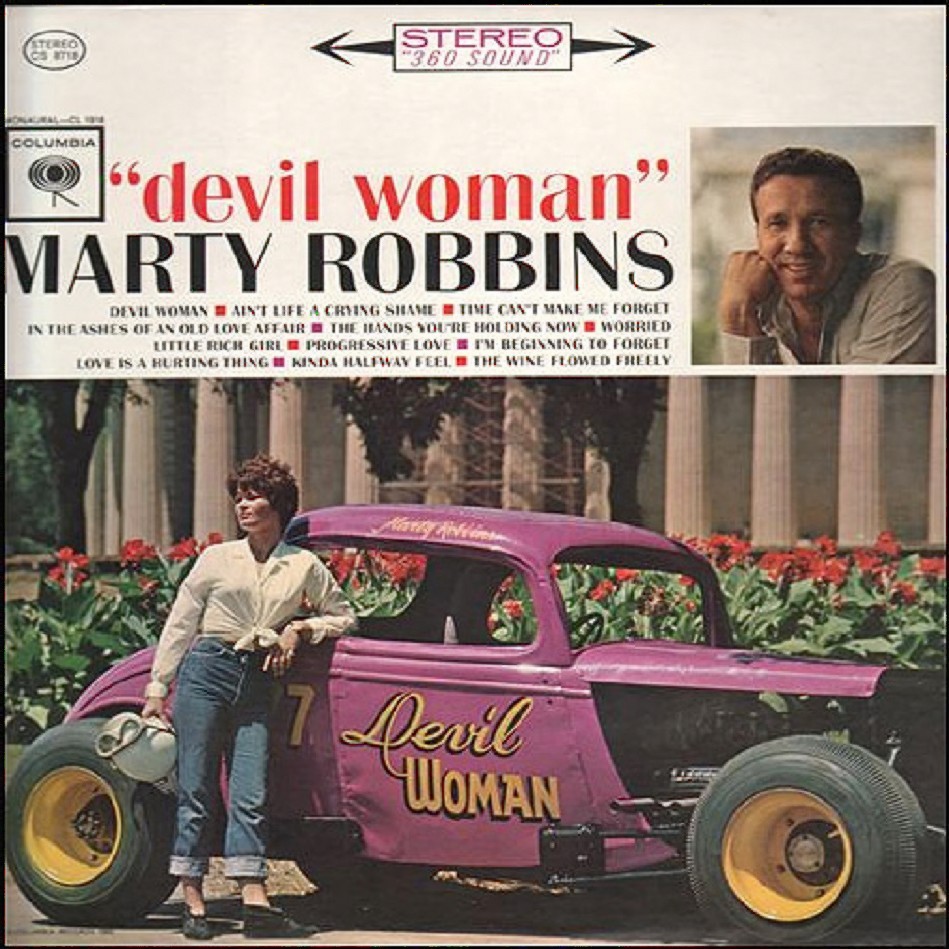
Marty Robbins' "The Wine Flowed Freely" is a stark and sobering reflection on the ephemeral nature of friendship when it's built on the shaky foundation of material wealth and hedonistic pursuits. The song meaning hinges on a central, devastating irony: the protagonist, now imprisoned and isolated, contrasts his current desolation with a past where "the wine flowed freely and friendship was mine." This refrain, repeated throughout the song, serves as a haunting reminder of a superficial camaraderie that evaporated the moment his circumstances changed. The lyrics paint a picture of a younger self surrounded by people who were more interested in his money and the good times it afforded than in genuine connection. This fair-weather affection highlights a painful truth about human nature: relationships built on shared indulgence are often as fleeting as the pleasures they chase.
The psychological weight of "The Wine Flowed Freely" comes from its exploration of regret and the slow burn of disillusionment. The protagonist isn't just lamenting his lost freedom; he's confronting the hollowness of his past choices and the emptiness of the relationships he once valued. The lines "Nobody cared where my money came from / If I had it I wasn't alone" are particularly cutting, revealing a deep-seated awareness of the transactional nature of his former friendships. The prison setting becomes a potent metaphor for the isolation that can result from a life lived without genuine connection. He is imprisoned by the legal system, yes, but also by the consequences of his own actions and the superficiality of his former life.
Ultimately, Marty Robbins' song serves as a cautionary tale. The protagonist's final verses carry a note of resignation, even defiance. He acknowledges that his end is near and declares it "better to die then to spend forty years / With the cold prison walls for a friend." This grim acceptance underscores the song's central theme: that true friendship and lasting value cannot be bought or found in fleeting pleasures. The song's power lies in its unflinching portrayal of the consequences of prioritizing superficiality over substance, leaving the listener to consider the true worth of their own relationships and the foundations upon which they are built. It's a timeless reminder that the wine may flow freely for a while, but when the well runs dry, only genuine connections will remain.
 View Artist