Song Meaning
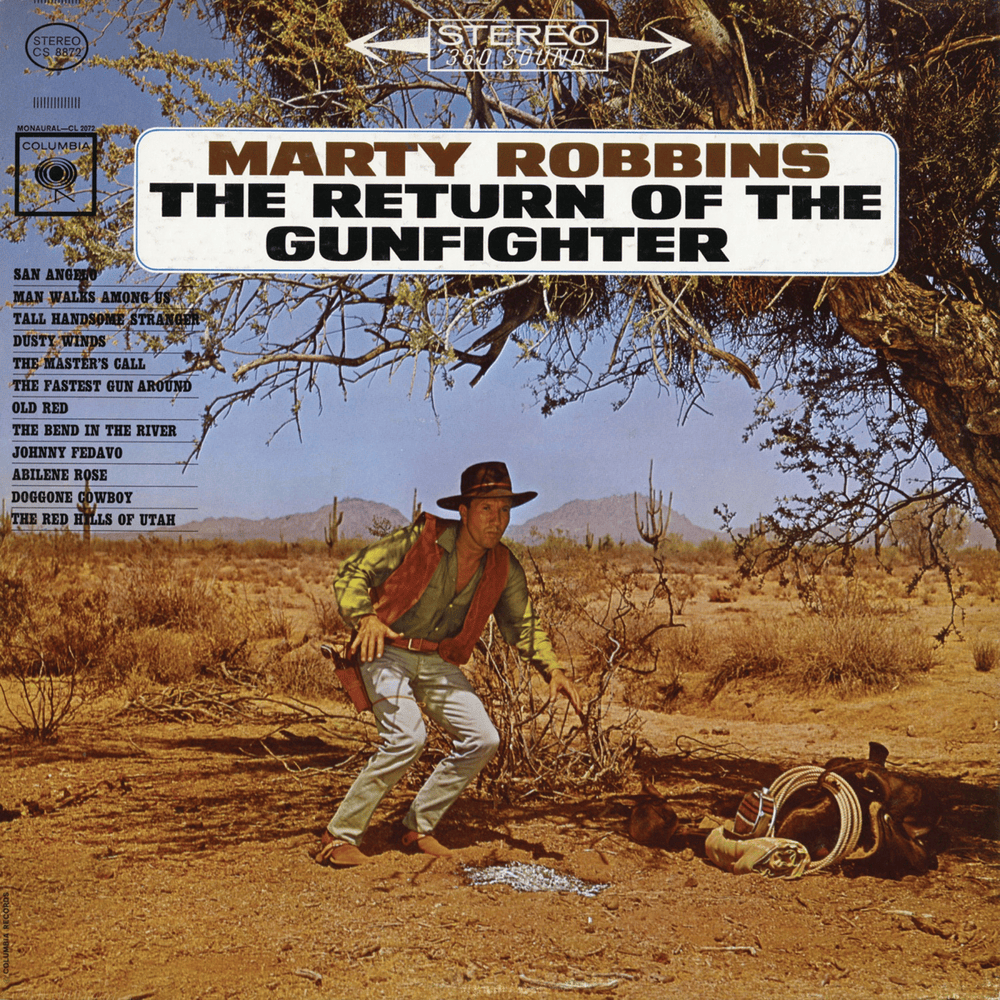
{"song_id": 15470730, "meaning": "Marty Robbins' \"The Red Hills of Utah\" isn't just a travelogue; it's a hymn to the power of idealized longing. The song meticulously paints a picture of pastoral perfection – green valleys, tall trees, cool rivers, soft breezes – elements that, crucially, exist primarily in the singer's dreams. This isn't about geographical accuracy; it's about the magnetic pull of a place that represents something deeply personal and possibly unattainable. The \"red hills\" themselves become a symbol, less about the actual landscape of Utah and more about a promised land of the heart. Robbins taps into that universal human desire to escape, to find solace in a vision that may or may not reflect reality. The repeated invocation of the red hills \"callin' me\" suggests an almost primal urge, a siren song pulling the narrator towards a destination steeped in personal mythology.
The lyrics emphasize the duration of this yearning. The narrator has \"waited so long,\" since childhood, for this moment. This extended anticipation elevates the red hills from a mere destination to a lifelong obsession. The \"thought keeps my heart runnin' wild\" reveals the almost manic energy fueling this quest. It's a potent cocktail of hope and anxiety, the fear that reality might shatter the carefully constructed dream. The simplicity of the verses – focusing on the beauty of flowers and birdsong – reinforces the idealized nature of the vision. These aren't complex, gritty realities; they are carefully curated images designed to soothe and inspire.
Ultimately, \"The Red Hills of Utah\" explores the complicated relationship between dreams and reality. The song’s meaning hinges on the listener understanding that the actual location is secondary to the emotional landscape it represents. The journey to Utah is a journey inward, a quest to reconcile the imagined perfection with the potentially disappointing truth. Robbins captures the bittersweet essence of longing, the understanding that the most beautiful places are often those that exist only in our minds. The song lingers in that space between anticipation and experience, inviting us to consider the destinations that define our own internal landscapes."}
 View Artist