Song Meaning
Marty Robbins' "The Lonely Old Bunkhouse" isn't just a cowboy lament; it's a poignant meditation on aging, loss, and the yearning for a pastoral afterlife. The titular bunkhouse serves as a powerful symbol of a bygone era, a place once filled with camaraderie and the rugged spirit of the Wild West, now rendered desolate by the passage of time and the inevitable departure of its inhabitants. Robbins uses simple, evocative imagery to paint a picture of absence, highlighting the emotional weight of an aging narrator left behind as his companions ride off into the sunset of eternity. The bunkhouse isn't just empty; it's lonely, reflecting the narrator's own isolation.
The vision of a "much better bunkhouse" that appears in song and dreams offers a contrasting image of comfort and eternal rest. This idealized bunkhouse, complete with soft pillows, downy rugs, and weeping willows, speaks to a deep-seated desire for peace and reunion. It's a frontier version of heaven, a place where the hardships of ranch life are replaced by tranquility and companionship. The repeated references to this dreamscape emphasize its importance as a source of solace and hope for the narrator. It's not merely escapism, but a psychologically vital coping mechanism for confronting mortality and the pain of separation.
The song's cyclical structure, returning to the image of the lonely bunkhouse, reinforces the narrator's present reality while simultaneously highlighting the allure of the imagined afterlife. The appearance of "Travis and Bob" in his dreams, waiting for him down the trail, transforms death from a solitary event into a reunion with loved ones. The song meaning isn't simply about death, but about the enduring power of memory, the comfort found in shared experiences, and the human need to believe in a better place beyond the earthly realm. "The Lonely Old Bunkhouse" becomes a haunting reminder of what's been lost, and a hopeful whisper of what might be gained.
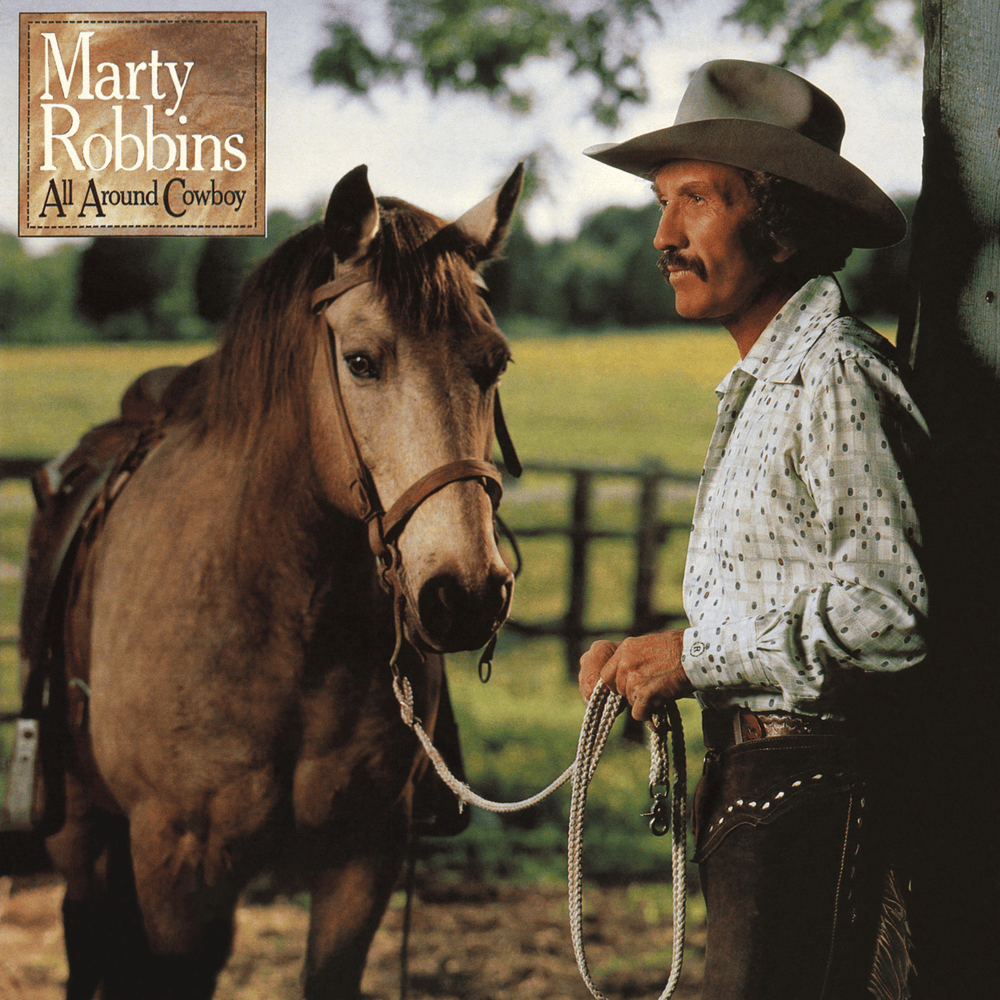
 View Artist