Song Meaning
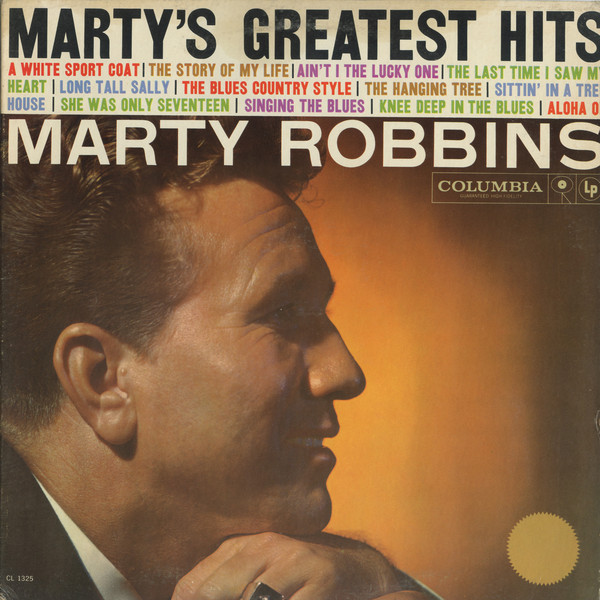
Marty Robbins, the master of tragic narratives and cowboy laments, delivers a masterclass in vulnerability with "The Last Time I Saw My Heart." This isn't a tale of gunfights or dusty trails, but a stark exploration of love's potential for both transcendence and devastating loss. The song's core metaphor – the literal disappearance of the narrator's heart – speaks volumes about the disorienting, almost out-of-body experience of falling deeply in love. He locates the heart's vanishing point at the nexus of physical intimacy and emotional surrender: a kiss, an embrace, a fleeting glimpse of "Paradise." Robbins paints a picture of a love so consuming that it transcends earthly bounds, only to crash back down to reality with the gut-wrenching realization of abandonment.
The genius of the lyrics lies in their simplicity. There's no complex wordplay or ornate imagery, only raw, direct emotion. The repeated phrase, "The last time I saw my heart," functions as both a lament and an accusation. It's a desperate attempt to pinpoint the exact moment of heartbreak, to understand where everything went wrong. The narrator's confusion is palpable in the bridge: "Why did you leave / Where did you go / I can't believe / You'd deceive someone who needs you so." This isn't anger, but bewildered hurt, the kind that comes from a profound betrayal of trust.
Ultimately, "The Last Time I Saw My Heart" is a poignant exploration of emotional dependency and the fear of abandonment. The final lines, "The last time I saw my heart I fell in love," underscore the inherent risk involved in opening oneself up to another person. The narrator acknowledges that love, while capable of transporting us to "Paradise," also leaves us vulnerable to the pain of loss. The willingness to risk such profound heartbreak is, perhaps, the most human of all experiences, and it's this unflinching honesty that makes Robbins' song so resonant.
 View Artist