Song Meaning
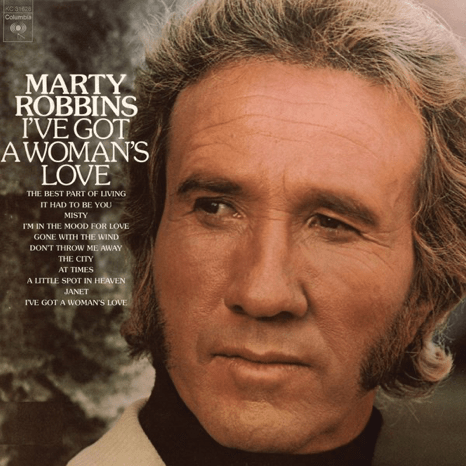
Marty Robbins' "The City" isn't just a country lament; it's a stark meditation on ambition, disillusionment, and the brutal cost of chasing a dream. The song meaning hinges on the stark contrast between the idealized vision of urban life and its grim reality. The unnamed woman's departure for the city, driven by a craving for 'excitement' and a desire to be 'important,' immediately establishes a tension between rural simplicity and urban allure. The narrator's quiet, almost stoic, waiting in the valley underscores her misjudgment and his enduring, if perhaps misguided, love. He clings to the hope of her return, fueled by a naivete that makes the final revelation all the more devastating. Robbins masterfully uses the setting – the 'valley' versus 'the city' – as a metaphor for authenticity versus artificiality. The valley represents a known, if perhaps limited, existence, while the city symbolizes the seductive but potentially destructive pursuit of fame and fortune. The lyrics subtly hint at the dangers awaiting her, foreshadowing her tragic fate.
The chorus is the song's emotional gut punch. The narrator's anticipated reunion is brutally subverted: instead of a triumphant return, she arrives in a 'simple box of pine.' This stark image speaks volumes about the city's failure to deliver on its promises. She sought importance but found only anonymity and ruin. The line 'she never was important in the city' is particularly poignant, highlighting the crushing weight of her unrealized aspirations. The 'lucky star' that never shined suggests a life extinguished before its potential could be realized, a victim of circumstance or perhaps poor choices driven by youthful hubris. The narrator's forgiveness, offered 'for anything that's happened in the past,' now rings with a hollow echo, a testament to the futility of his unwavering devotion.
Ultimately, "The City" transcends a simple tale of heartbreak. It's a cautionary narrative about the perils of misplaced ambition and the deceptive allure of superficial success. The concluding verse, where the narrator plans to visit the river and bring her flowers 'for old time's sake,' is laced with a quiet, almost unbearable sadness. It's a final act of love and remembrance, but also an acknowledgement of the irreversible tragedy that has unfolded. Robbins doesn't offer easy answers or moral judgments. Instead, he presents a complex portrait of human desire, disappointment, and the enduring power of love in the face of profound loss. The song lingers long after the final note, a haunting reminder that sometimes, the greatest dreams lead to the most devastating awakenings.
 View Artist