Song Meaning
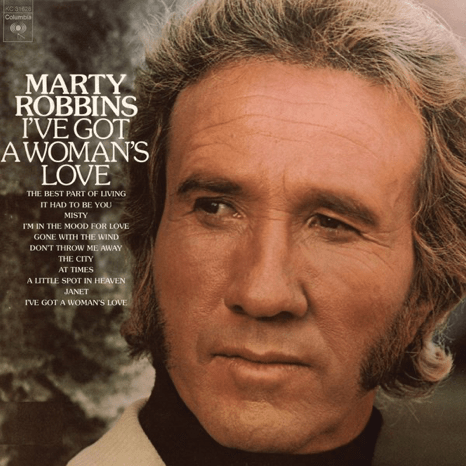
Marty Robbins cuts through the existential angst with a disarmingly simple truth: "The Best Part of Living" isn't some grand achievement, but the profound connection of love. The song bypasses the usual country tropes of hard-won success and instead locates meaning in the everyday intimacy of a committed relationship. It's a sentimentality that avoids saccharine thanks to the grit implied in the opening lines – a life where 'things get rough' and days are a 'struggle.' Robbins isn't singing from a place of idyllic bliss, but from the trenches of a shared existence. He acknowledges the weight of the world, then swiftly counters it with the lightness of love's presence. The 'anticipating / The night with you' isn't just about physical intimacy, but the promise of emotional solace and unwavering support. In essence, the song presents love as a vital coping mechanism, a source of resilience in the face of life's relentless challenges.
The lyrics analysis reveals a stark contrast between the external world and the internal sanctuary of love. 'Life's problems seem like mountains I can't climb,' he confesses, painting a picture of overwhelming obstacles. Yet, the response isn't individualistic triumph, but mutual reliance: 'hand in hand our love will always find a way.' This speaks to the psychological power of attachment, the human need for secure bonds in navigating adversity. The song elevates the partner to more than just a lover; she's a 'bridge o'er troubled water,' a source of inspiration, and the ultimate priority. This prioritization of the relationship over personal ambition is a radical statement in a culture often obsessed with individual achievement.
Ultimately, "The Best Part of Living" posits that genuine happiness isn't found in fleeting pleasures or material gains, but in the sustained, reciprocal act of loving and being loved. The repetition of the chorus reinforces this central theme, hammering home the idea that love is not just an emotion, but a 'drivin' force' that sustains us. It's a remarkably straightforward message, delivered with the sincerity and conviction that defined Marty Robbins' best work. The song's enduring appeal likely lies in its universality; regardless of background or circumstance, the need for connection and the comfort of love remain fundamental aspects of the human experience.
 View Artist