Song Meaning
Marty Robbins' "Teenage Dream" isn't a celebration of youthful abandon so much as a defiant stand against adult skepticism. The song's core conflict pulses with the tension between the soaring emotional intensity of first love and the condescending dismissal often leveled by parents. It's a scenario as old as time: elders, hardened by experience, casting doubt on the authenticity and staying power of adolescent feelings. Robbins, however, leans into the purity of that initial infatuation. The 'thrill' found in a kiss becomes a potent symbol of a joy inaccessible to those weighed down by cynicism.
The lyrics are deceptively simple, built on a foundation of earnest hope. The repeated line, 'They say our love is a teenage dream, That young love can't be true,' serves as both a challenge and a rallying cry. It acknowledges the external doubt while simultaneously asserting the validity of the teenagers' experience. The plea to 'hope and pray' isn't just a passive wish; it's an active decision to fight for their connection in the face of societal pressure. The song implicitly questions the notion that love has an age limit or a prerequisite level of maturity.
Ultimately, "Teenage Dream" functions as an anthem for the underestimated. It's a reminder that the intensity of emotion, often dismissed as naiveté, can be a powerful force. The dream itself becomes a symbol of resistance, a refusal to let adult expectations extinguish the flame of youthful passion. Robbins doesn't offer a guaranteed happy ending, but rather a call to arms – a declaration that even the most vulnerable of loves deserves a fighting chance.
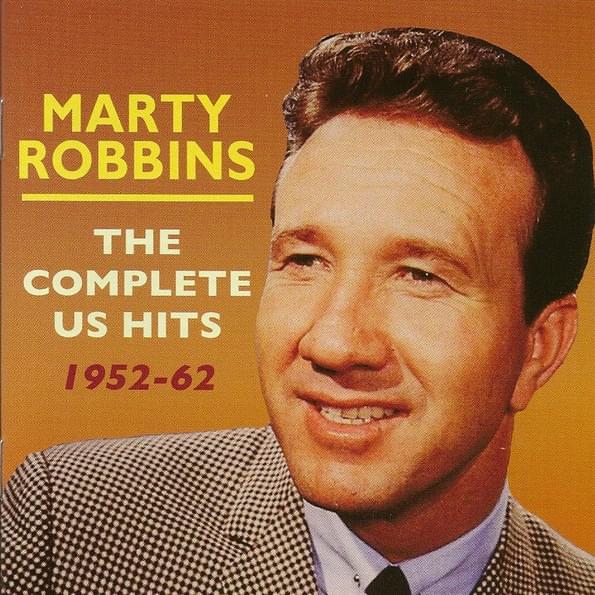
 View Artist