Song Meaning
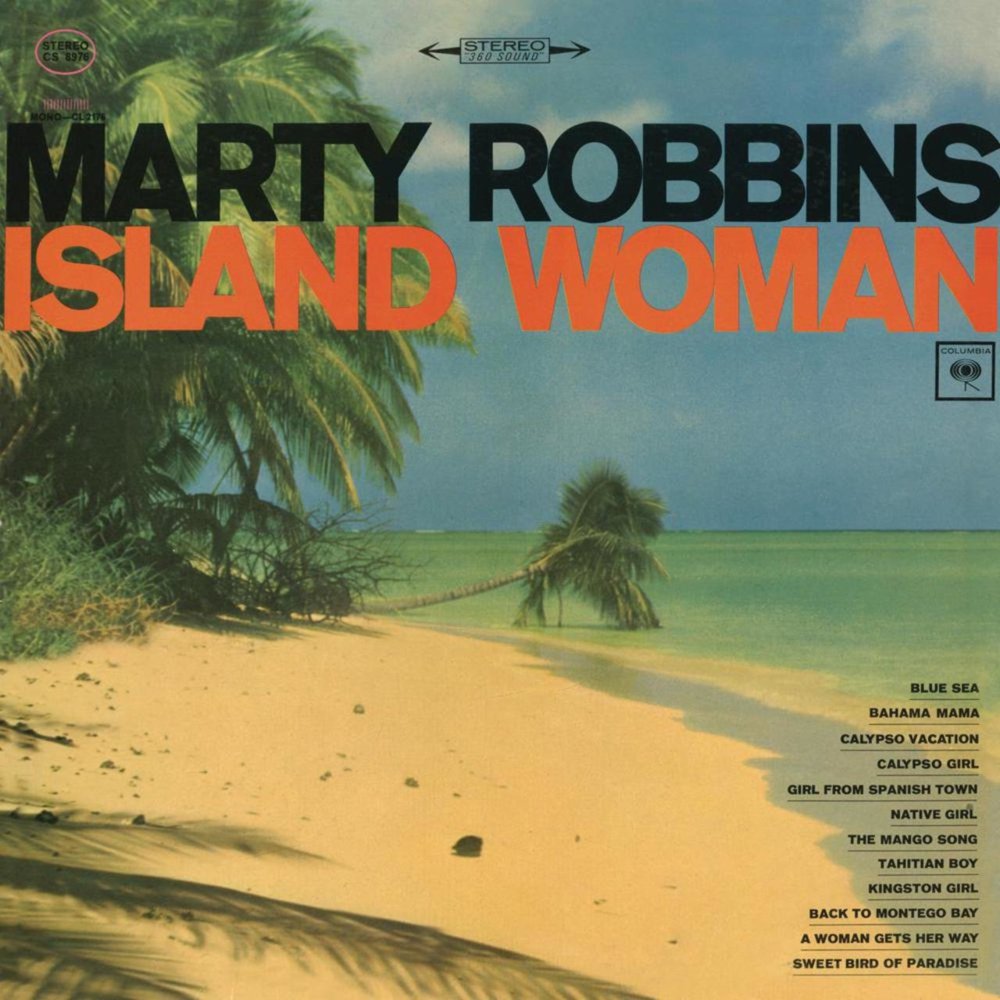
Marty Robbins' "Tahitian Boy" is a miniature tragedy of cultural displacement and romantic disillusionment, rendered with a simplicity that belies its emotional complexity. The song paints a stark picture of a naive islander, lured from the perceived paradise of Tahiti by the promise of love with a "city girl with golden curl." Robbins wastes no time establishing the central conflict: the unnamed protagonist's immediate alienation in an urban environment that "don't like me." This line isn't just about personal discomfort; it's a pointed observation about the often-unwelcoming nature of dominant cultures toward outsiders. The boy's earnest attempts to locate his love—asking for directions, showing her picture—highlight his vulnerability and the vast cultural gulf he's trying to bridge. The repetition of "where are you" becomes a desperate plea echoing through the alienating cityscape. His pursuit is both literal and metaphorical, as he searches not just for a person, but for a connection, a sense of belonging that seems increasingly unattainable.
The core of the song's meaning resides in the boy's gradual realization that his love was perhaps a mirage, fueled by the exotic allure of "island music and the beach." This line carries a sharp critique of the way cultures and people are often romanticized and objectified. The city girl, whose motivations remain ambiguous, may have been drawn to the Tahitian boy as a temporary escape, a fleeting indulgence in a fantasy far removed from her own reality. The lyric "time and distance made you change" is a heartbreaking admission of the corrosive effects of cultural and geographical separation. It suggests that the connection they shared was not strong enough to withstand the pressures of assimilation and the stark differences in their backgrounds.
Ultimately, "Tahitian Boy" is a poignant exploration of the universal themes of longing, displacement, and the painful awareness of cultural otherness. The boy's decision to return to Tahiti, driven by the realization that he "must return to island now, where I belong," is not simply a retreat, but a reclamation of identity. It's a recognition that true belonging cannot be found in the fleeting fantasies of romantic escapism, but in the enduring roots of one's own culture and heritage. The song's melancholy beauty lies in its unflinching portrayal of a naive hope dashed against the hard realities of cultural difference and the complexities of human connection.
 View Artist